Let’s put this as simply as possible.
A gravity separator measures product density, while an optical sorter measures what it looks like.
In a seed and grain processing facility, gravity separators are the “foundation” of quality, stabilizing the product stream earlier in the process. Optical sorters deliver the final precision, removing visual defects that gravity separators cannot detect.
Both solutions improve quality and remove unwanted material. But they do it in very different ways.
Understanding the differences between gravity separators and optical is essential to building a modern, resilient, and reliable processing operation. When you know what both solutions do (and what they cannot), you can design a line that delivers higher purity, stronger consistency, and better performance at every stage.
At a glance
- Gravity separation removes low‑density, under‑developed, or internally damaged material based on weight and density.
- Optical sorting removes visual defects like discolored grains and foreign seeds.
- Each technology solves a different quality challenge — one internal, one visual.
- Using both together creates a more stable, consistent, and higher‑purity product stream.
- The right setup depends on your product, your risks, and your quality targets.
What’s the Difference Between Gravity Separators and Optical Sorters?
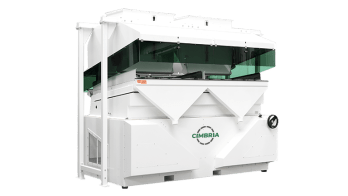
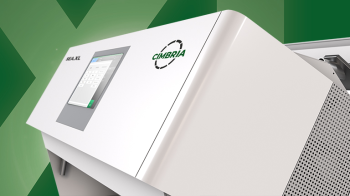
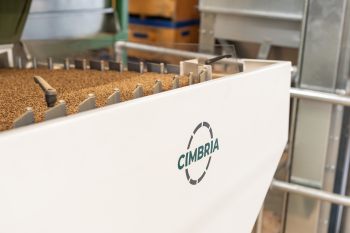
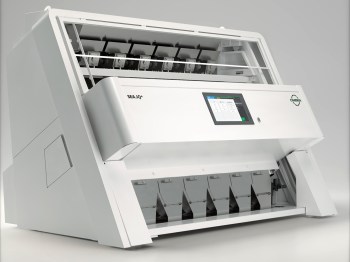
Gravity separators are mechanical processing systems that sort products like seed, grain, food, and feed based on density. Optical sorters are automated processing machines that sort products based on visual characteristics.
Let’s put it into simpler terms.
Gravity separators don’t care what your product looks like. It cares what it’s made of and what it feels like. They focus on weight, fill and overall physical composition. These are the qualities that reveal whether grain, seed, food, or feed is fully formed, partially filled, or structurally too weak.
Optical sorters do care about what your product looks like. They analyze and evaluate what’s on the surface of your product — and what’s underneath.
That means optical sorters can identify obvious visual defects like unwanted discolored grains and foreign seeds.
Both gravity separators and optical sorters essentially want to understand your product, but they do it in completely different ways.
To see why those differences matter, we must look at how they both actually work.
Gravity Separators vs Optical Sorters (Quick Overview)
| Technology | What it Measures | What it Removes | Best For | Strengths |
| Gravity separator | Density, weight | Light seeds, empty hulls, insect damage | Improving germination rates and bulk density | High Throughput: Processes massive volumes at low cost per ton. Quality: Removes nutritionally “dead” seeds. Durability: The mechanical mechanism requires low maintenance. |
| RGB optical sorter | Color, shape, size, texture | Discoloration, foreign materials, cross contamination | Final product sorting and safety compliance | Extreme Precision: Can target a single discolored grain out of millions. Multi-Dimensional: Simultaneously checks color, shape, and size. Automation Ready: Digital interfaces allow for instant recipe changes and data logging. |
How do Gravity Separators and Optical Sorters Work?
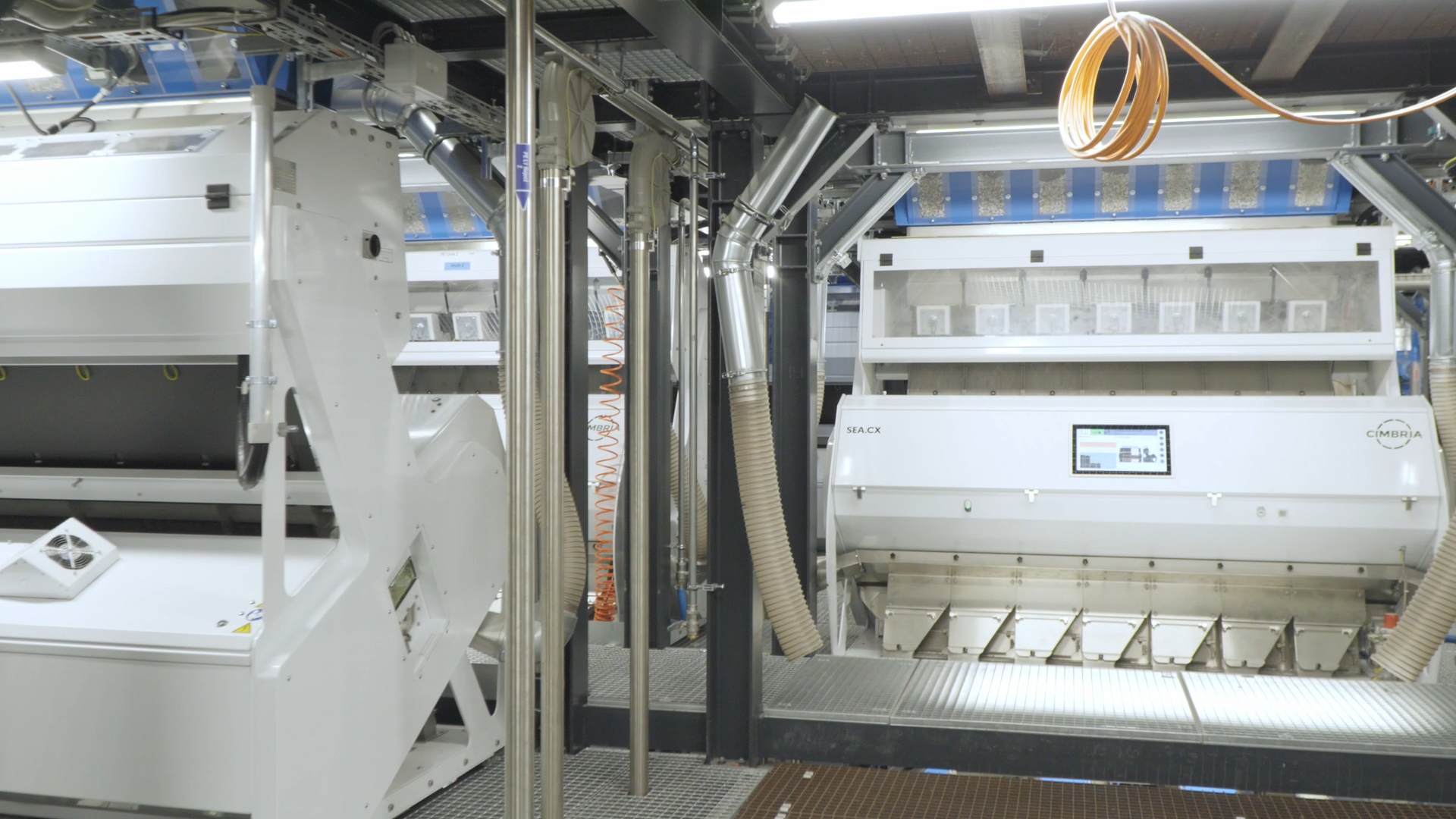
Gravity separators use airflow, vibration, and deck inclination to separate good product from bad product and remove the low‑quality material from your product stream. Optical sorters analyze each particle using cameras and image‑processing technology.
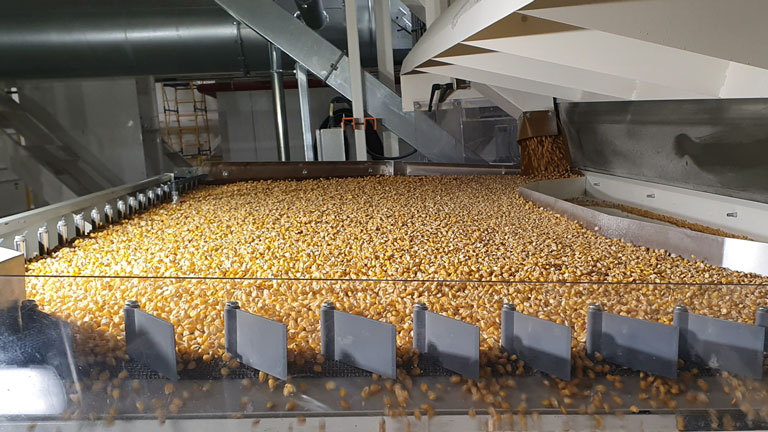
As the material moves across the gravity separator’s deck, heavier, fully developed product moves to the top. Lighter, immature, or damaged material moves to the bottom and is removed from your product stream. Even when two items look identical, the gravity separator can still knows which ones don’t belong.
And because gravity separation is mechanically efficient and capable of handling large processing volumes, the technology often plays a central role in the early or middle stages of a processing line.
But sorting by weight is only one piece of the processing puzzle. Optical sorters fill the gap by detecting qualities gravity separators cannot see.
Because gravity separators do not evaluate color, texture, shape, or surface defects, optical sorters become an essential addition to your processing line — and they work remarkably well alongside gravity separation processes.
Optical sorters analyse everything in your product stream using sophisticated imaging and sometimes AI technology.
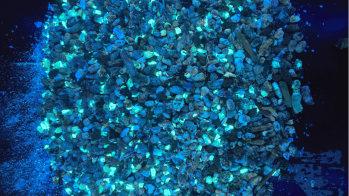
They use RGB cameras to evaluate visual characteristics such as colour, shape, size, texture, and surface defects. More modern systems go a lot deeper. Integrated UV and NIR cameras can detect what’s going on below the surface, detecting chemical signatures, moisture, and “invisible” contamination.
When a defect or contaminant is identified, the sorter removes it with a precise burst of air, eliminating discolored product, mould damage, foreign material, and other inconsistencies with exceptional precision.
When Gravity Separation Makes the Most Sense
Gravity separation delivers the most value when internal quality matters more than surface appearance. It makes most sense in three specific scenarios:
1. When “good” and “bad” product feel almost identical
Density reveals what the surface hides. Insect damaged, frost bitten, or internally diseased grains can look no different from healthy ones. Because a gravity separator ignores color and reads specific weight, it exposes these hollow defects that an optical sorter would not catch through appearance alone.
2. When you need to stablize your downstream line
A gravity separator acts as a filter for your optical sorter. By removing the high-volume, low-density material early, you create a more uniform monolayer of product. This gives the optical sorter a cleaner, more predictable flow to analyze. It prevents the system from becoming overloaded and it reduces false rejects, where good product is pushed out simply because the bed was unstable or too crowded.
3. When germination and vigor matter
Weight tells a story for a gravity separator. In seed processing, heavier seeds hold more stored energy and produce stronger plants. Gravity separation is the only dependable method for grading this internal strength. It guarantees that your final seed lot is not just visually clean but capable of delivering real performance in the field.
When Optical Sorting Delivers the Greatest Value
Optical sorting delivers the most value when surface and spectral detail shows what density cannot. It delivers the greatest value in these situations:
1. When your product needs a clean, uniform finish
Optical sorting delivers the last layer of refinement. It removes visual defects, foreign materials, and anything that stands out through color, texture and shape. These are the issues customers notice first, and the ones that determine whether a product looks premium or inconsistent. Optical sorters ensure every shipment looks the same, meets specifications, and protects the brand from the visual variability that buyers reject.
2. When customers expect traceability and documented quality decisions
Automated optical sorters don’t just sort your product. They record, log and prove what they removed. If you’re selling into premium or export markets, this matters. Buyers increasingly want evidence of defect rates and batch-by-batch consistency. Advanced optical sorters give you that data automatically, helping you strengthen customer trust.
Why Many Modern Facilities Use Gravity Separators and Optical Sorters Together
In most modern processing plants, gravity separation and optical sorting aren’t competing technologies. You use them together because they solve different problems.
Gravity separation removes lightweight, immature, or internally damaged material. Optical sorting removes visual defects and hidden contamination.
When you combine the two, you get a stronger, more stable process from the very start.
A typical workflow begins with mechanical cleaning and gravity separation. This removes the low‑density material that creates unnecessary variation later in the line.
By the time your product reaches the optical sorter, it’s already more uniform, more stable, and far easier for its high-definition cameras to analyze. That upstream stability improves accuracy, reduces false rejects, and increases the overall efficiency of your optical sorting stage.
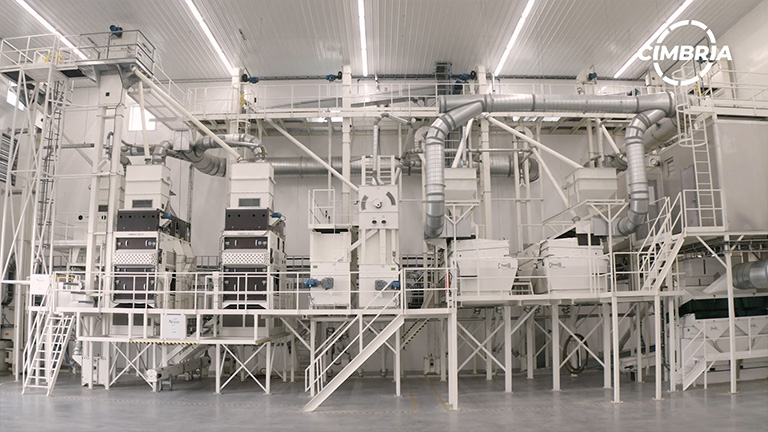
Using both technologies also helps you improve product purity, food‑safety performance, and final product consistency. You remove internal defects early and visual defects later. And you protect your downstream equipment from unnecessary load and variation.
For many processors, this integrated approach is also about building a more reliable and efficient line.
Because as quality expectations continue to rise across the grain, seed, food, and feed sectors, the combined power of gravity separation and optical sorting gives you the consistency, accuracy, and control you need to stay competitive — no matter what the market demands next.
Let us Help You Choose the Right Gravity Separation and Optical Sorting Technology
Choosing the right sorting technology depends on what your processing line is trying to achieve. Your product type, contamination risk, quality standards, processing capacity, automation goals, budget, and climate all shape the decision.
In some applications, gravity separation alone gives you the performance you need. In others, optical sorting becomes essential.
For many processors, the best results come from using both technologies together. You get a cleaner, more stable product stream and a line that performs consistently — 24 hours a day, in any environment, under any conditions, anywhere in the world.
But there’s no one-size-fits-all here. The real key is understanding which technologies are best suited to your product, processing facility, and quality challenges. And the easiest way to do that is to work with a partner who understands your process, your goals, and your market.
That’s where we come in.
We’re here to help.
Whether you’re looking for a gravity separator, an optical sorter, or both, our experts are ready to help you pick the right one for your operation.
FAQ
How do gravity separation and optical sorting systems differ?
Gravity separation relies on physical traits such as density AND weight to separate material. Optical systems rely on cameras and imaging technology to identify visual cues like color, shape, or surface defects.
Can a gravity separator remove damaged seeds?
Yes. Because damaged or under‑developed seeds often weigh less, gravity separators can remove them effectively based on density differences alone.
Which technology supports stronger food‑safety performance?
Optical sorting typically provides the strongest food‑safety protection because it can identify foreign objects, discoloration, and visible contamination with high accuracy. But we recommend you install both together for optimal results.
Can I run gravity separation and optical sorting in the same line?
Yes. Many processors integrate both technologies to achieve higher purity, better consistency, and more stable downstream performance.
What are the main advantages of optical sorting?
Optical sorting improves visual quality, reduces contamination, supports regulatory compliance, and delivers consistent results at high throughput — all with minimal manual inspection.
What are the main advantages of gravity separation?
Gravity separation removes low‑density or internally compromised material early, helping stabilise the product stream and improve the efficiency of every step that follows.
Is optical sorting useful in recycling?
Yes. In recycling, optical systems use color and spectral signatures to identify different plastics, remove impurities, and meet strict purity requirements in mixed waste streams.
How do I know which technology my line needs?
It depends on your product, your quality targets, and the risks in your material stream. Some lines need only one technology; others perform best with both. A technical assessment is the fastest way to determine the right fit.