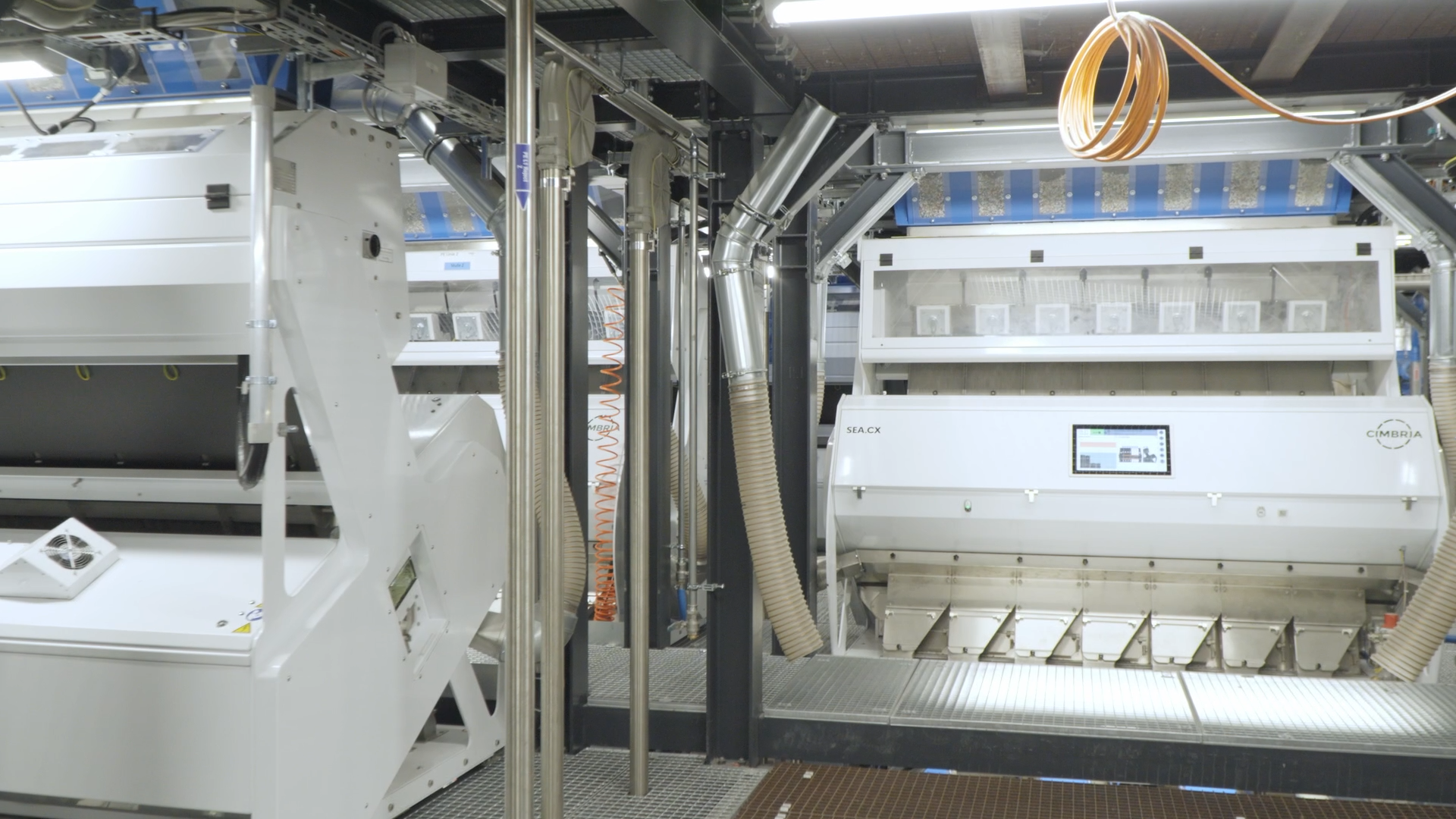
Dust is something every seed and grain processor deals with. But its impact is sometimes underestimated.
It’s easy to think of dust as a normal part of handling any natural product, no matter whether it’s seed, grain, or food. Something that needs to be managed in some way, but not something that defines processing performance.
The truth is, dust, glumes, and light particles can affect every stage of processing, influencing the quality and safety of the processing facility, as well as product quality. The facilities that run best aren’t the ones without dust. They’re the ones that control it from the start.
Let’s look at why dust removal is so critical in grain and seed processing, and what you can do about it.
Dust is created everywhere, but not always controlled
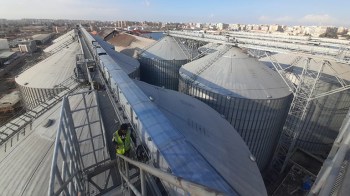
Every step in grain and seed processing generates dust. It occurs during intake and unloading, when raw material first enters the plant. It also occurs during drying, as movement and heat release fine particles. And it continues throughout the conveying journey, especially at transfer points.
This is completely normal. Dust is part of handling any natural product like grain, seed, food, and industrial materials. However, the challenge is what happens to it next.
If dust is not actively removed, it doesn’t simply disappear. It settles on surfaces, builds inside processing equipment, mixes back into the product, and stays in the air. Over time, this creates a chain reaction. A small amount of dust in one step can turn into a larger problem later in the process.
That is why plants must think about dust early, and at multiple points of the processing line.

Dust affects product quality more than many realise
When people think about product quality, they often focus on visible factors like size, colour, and purity. Dust is sometimes overlooked, but it can have a bigger impact than expected.
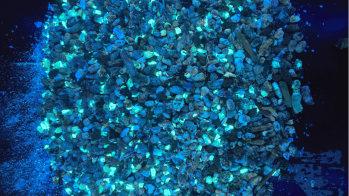
Fine particles can coat seeds and grains, making them harder to clean, grade, or process accurately. Dust can also interfere with treatments or coatings. If the surface isn’t clean, protective chemicals may not stick properly, which can reduce germination or overall product performance.
Even a thin layer of dust can lower overall product cleanliness. It can reduce grades for export markets or milling, affect pricing, and make blends less uniform, which is important when producing feed or processed food products.
Dust doesn’t always affect every batch, either. One day, a batch may pass through largely unaffected. The next day? It could carry more impurities, making consistent quality harder to achieve.
Dust is a safety risk, not just a cleaning problem
Dust emissions can make seed and grain processing facilities look dirty. Yet the real risk isn’t what you see. It’s what’s in the air.
Grain and seed dust are highly combustible due to its fine particle size and high carbon content. When fine particles remain in the air in the right concentration, they can create an explosive atmosphere. This is particularly dangerous in small spaces such as silos, processing lines, and transfer areas.
What’s even more concerning is that it doesn’t take much to trigger an explosion. A small spark from processing equipment, static electricity, or friction can be enough.
Of course, explosion incidents are rare. But when they happen, the consequences are severe, and can lead to serious injuries, facility damage, and financial loss.
In addition to explosion risk, dust also affects daily working operations. Workers exposed to high dust levels may experience respiratory irritation or more serious long-term health issues.
Good dust control improves air quality, reduces risk, and creates a safer environment for everyone in the facility.
Dust slows down your process (and affects processing equipment)
Dust not only affects safety and quality. It also affects how well your processing facility runs.
One of the most common challenges is dust buildup inside processing equipment. Dust can collect in conveyors and filters and reduce airflow in systems that rely on air movement.
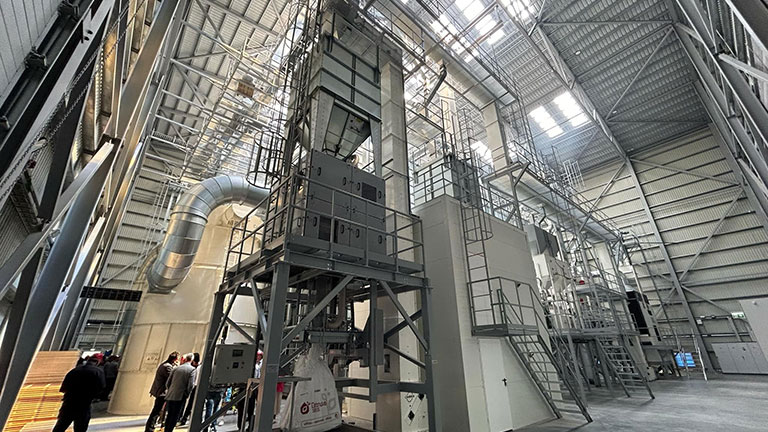
At first, the impact may be small. But over time, these issues can lead to reduced efficiency, unexpected downtime, and more frequent cleaning and maintenance. In many cases, operators adjust machines to compensate, rather than addressing the root cause, leading to further inefficiencies.
When dust is properly controlled, the entire grain and seed processing journey becomes more stable. Machines run closer to their intended purpose, and operators spend less time trying to solve avoidable problems.
A different way to think about dust
Many plants approach dust as a secondary issue. First, they focus on the main process. Then, they look at dust collection as an add-on. But this approach has limits.
A more effective way to approach dust removal is to take a step back and ask: Where in the process does dust create the most impact?
Often, the answer is early stages before the dust spreads through the system. By removing dust closer to where it’s created, grain and seed processors can:
- Prevent product contamination
- Reduce dust buildup in processing equipment
- Lower the number of airborne particles throughout the facility
This is why plants are moving toward integrated dust control, which are solutions built into the process, not added after.
Why aspirators play an important role in dust removal
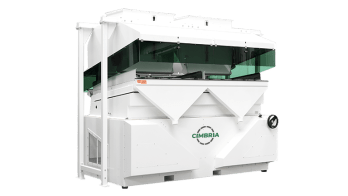
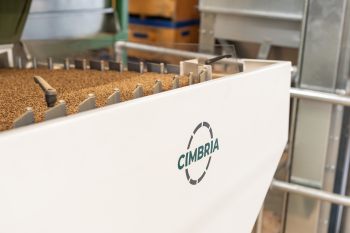
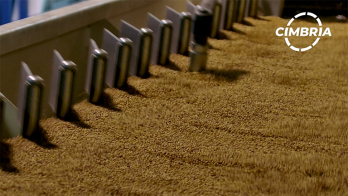
Aspirators play such a decisive role in dust removal for grain and seed processors, using controlled airflow to separate lighter materials, such as dust, husks and fine impurities, from heavier seeds and grains.
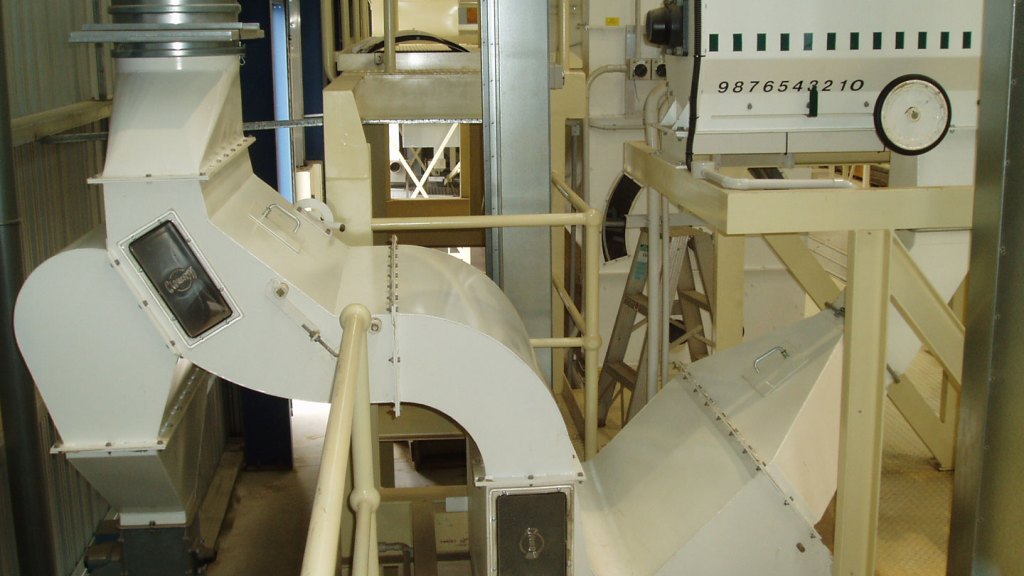
However, what makes aspirators especially valuable is not only how they work, but where they are used. Instead of collecting dust after it spreads, they remove it directly during processing. This can be at intake, during cleaning, or at key transfer points.
This approach brings several benefits:
- Dust is removed early, before it affects other stages
- Product quality improves, as impurities are separated more effectively
- Less dust becomes airborne, improving the working environment
In simple terms, aspirators help you stay ahead of the problem before the problem becomes unmanageable.
Final thoughts
Dust is easy to overlook because it’s so common. But it has a wide impact on seed and grain processing. It affects quality, safety, efficiency, and yield — usually at the same time.
Grain and seed processing facilities that perform well over the long term are typically those that take dust removal seriously. Not as a secondary issue, but as an essential part of the process.
When dust is managed well, everything else becomes easier. Operations are more stable, product quality is more consistent, and risks are reduced.
And for many operations, this starts with using the right aspirators in the right place.