In today’s agriculture, food, coffee, and recycling industries, quality has a direct impact on profit. Even small problems can slowly reduce profits and damage customer trust.
The difference between average and excellent performance often comes down to precision. Optical sorting provides that precision. It helps processors control not only visible defects, but also product yield, compliance, consistency, and overall efficiency.
Modern optical sorters scan and separate materials very quickly and very accurately. They can work at speeds and levels of consistency that manual inspection cannot match. Instead of relying on occasional checks or human judgement, quality control becomes a continuous, data-based process built directly into your processing line.
When you evaluate optical sorting, you are not just thinking about buying new equipment. You are thinking about how to protect value, quality, and safety at every stage of your operation.
Now, let’s look at what optical sorting is and how it works.
First, let’s look at what optical sorting is
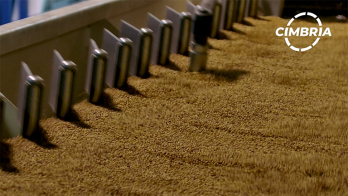
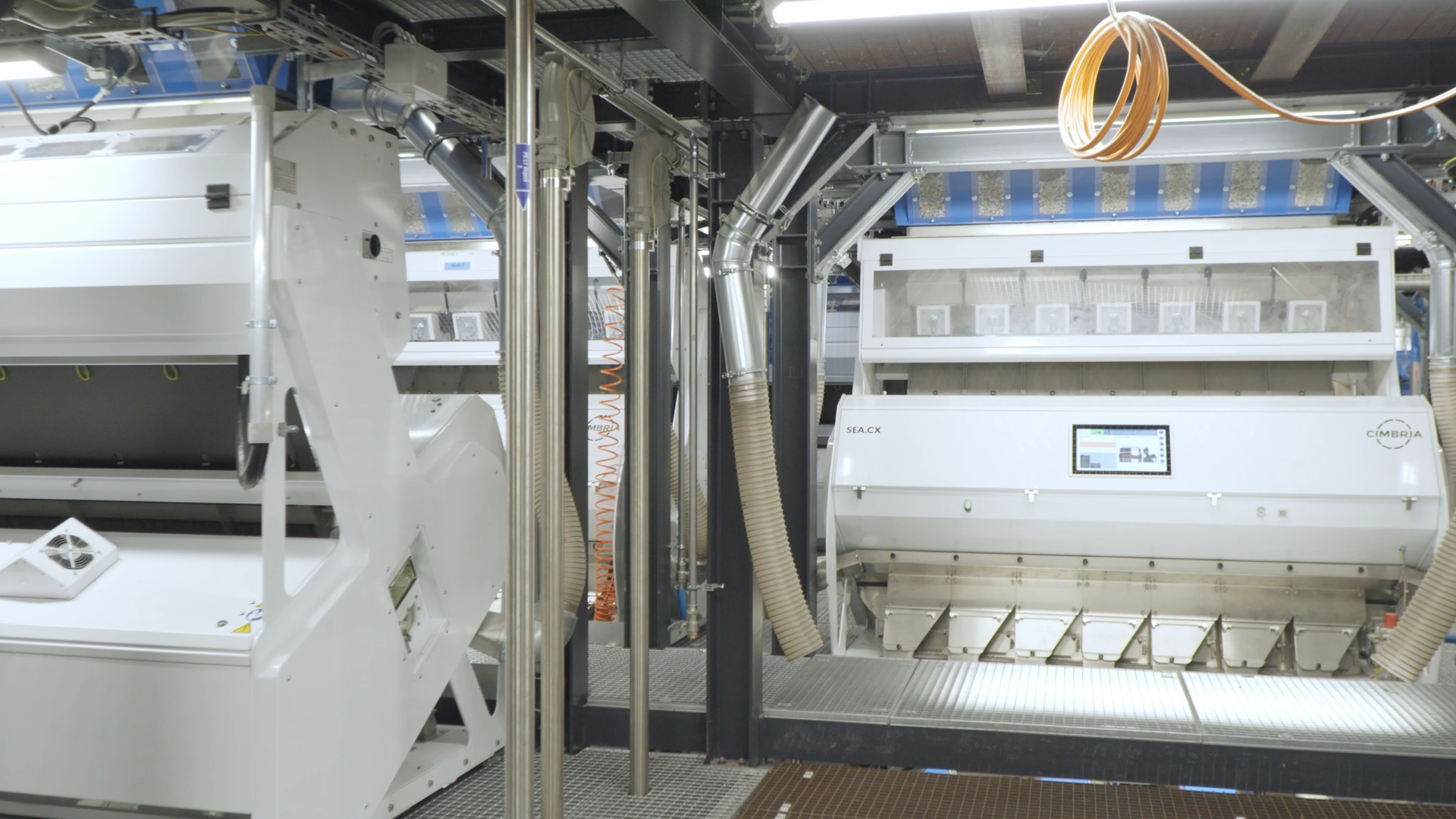
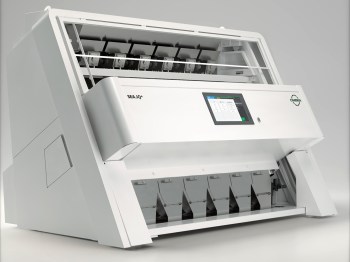
Optical sorting (also called color sorting) is an advanced automated technology that identifies and removes defective or unwanted materials that can reduce overall product quality.
It’s largely used in seeds, grains, food products, coffee beans, and nuts, as well as in polymers and other industrial materials, and is essential for quality control across any processing line.
High-resolution cameras, sophisticated sensors, and intelligent AI algorithms inspect individual items in your product stream and separate them based on color, size, shape, structural defects, or material composition. It can even detect and remove defects that the human eye simply cannot see.
For modern processing facilities, this is incredibly important. Each item is analysed in milliseconds and classified as either acceptable or a reject. This process happens continuously and at high speed, evaluating thousands of items per minute with remarkably consistent accuracy.
If your operation isn’t using automated optical sorting, you risk falling behind competitors. And more importantly, you risk sending a batch of product to market only to discover it contains defects visible to your customers. Imagine hours of work and care being undone by a small pebble, discolored piece, or other defects that compromise quality and trust.
Yes, optical sorting is very different from manual sorting
Unlike automated optical sorting, manual sorting relies on human inspection.
Even the most experienced operators can spot obvious defects, but human performance is naturally limited by fatigue, attention span, lighting, and long shifts. Subtle color differences, small deformities, or tiny foreign contaminants are often missed when working at speed. This is why relying solely on manual inspection puts both quality and efficiency at risk.
Research indicates that manual inspection typically identifies 70–80% of small defects. On paper, that may seem sufficient. In practice, even a 1–2% defect rate can translate into significant financial impact for mid-sized processors.
In recycling operations, improperly sorted streams can reduce recovered material efficiency by up to 15%, directly affecting revenue and processing costs.
Modern optical sorters can operate at up to up to 99.9% accuracy while analysing thousands of items per minute, delivering repeatable, data-driven consistency that manual processes cannot achieve or sustain over time.
Here’s how an optical sorter actually “sees” your product
At its core, a modern automated optical sorter is a high-speed quality control system that evaluates and separates each item individually as it moves along a processing line. But how does it actually “see” your product?
Let’s break it down:
1. Detecting color and shape
This is where the magic really happens. The most advanced optical sorters use high-speed, Full-color cameras with NIR (near-infrared) integrated into the system. It’s similar to a digital camera, but much faster and more controlled.
Each item passing through the inspection area is photographed at very high speed. The system then extracts measurable features such as color values and intensity, size and dimensions, shape and outline, and surface variations.
Shape detection typically relies on contour analysis and geometric measurements. The software identifies the edges of every item and calculates length, width, area, symmetry, and other parameters. This allows the sorter to detect broken, chipped, or undersized items.
Similarly, color analysis works by comparing measured pixel values against defined thresholds or classification models. Even subtle discoloration or small foreign particles can be identified if they fall outside acceptable limits.
Because decisions are based on consistent numerical measurements, the process eliminates human variability and maintains repeatable quality standards at high throughput speeds.
2. Finding the hidden or internal defects
But color is only one part of the puzzle. Not all defects are clearly visible in standard color imaging, so advanced optical sorters use additional wavelengths beyond visible light, such as NIR, SWIR (short-wave infrared), and UV (ultraviolet).
Think of it like this. Different materials absorb and reflect light differently at specific wavelengths, and by measuring this reflected light, the system creates what’s called a “spectral signature” for each item. This signature is almost like a unique fingerprint. It’s how a material “looks” to the machine’s eyes across different types of light.
This allows processors to:
- Tell the difference between the product and foreign objects like stones, plastics, or other unwanted materials
- Spot changes in moisture in grains, nuts, and seeds
- Detect surface damage or spoilage, such as mold or rot
- Separate items based on composition, like differences in chemical or material makeup
Together with color and shape detection, it provides more consistent and reliable defect detection, helping you maintain quality, safety and uniformity across every batch.
3. AI brings it all together
AI changes optical sorting from simply detecting differences to understanding what those differences mean.
Instead of relying on fixed rules like “this color is bad” or “this shape is wrong,” AI systems combine data from cameras and sensors into a single, intelligent view of each product. Every grain, seed, food item, coffee bean, or recyclable object is analysed as a complete data profile, not just an image.
This allows the optical sorting system to tell the difference between natural variation and real defects. Normal color changes or surface imperfections are treated very differently from contamination, spoilage and other quality risks. In other words, AI helps optical sorters decide what’s acceptable and what’s a problem.
And because AI learns real processing data, it adapts as conditions change. Seasonal variation, different suppliers, moisture levels, and feedstock quality shifts are absorbed into the system’s understanding of what “good” product looks like. This reduces unnecessary rejection of good material while maintaining high quality standards, protecting both yield and output consistency.
So, what is optical sorting good for?
Optical sorting works best in processing environments where large volumes, consistent product flow, and clear quality standards come together. It is especially effective for products where defects are visible, measurable, and economically important for your processing business.
1. Grain & cereals
Crops such as wheat, rice, maize, barley, oats, and pulses are well suited to optical sorting. Discolored kernels, broken grains, mold damage, insects, and foreign material can be removed quickly and accurately without slowing production.
2. Seeds
High-value seeds like sunflower, rapeseed, soybean, corn seed, vegetable seeds, and grass seed benefit from precise sorting. Optical systems remove damaged seeds, off-types, and impurities while protecting germination quality and varietal purity.
3. Food products
Products such as nuts, coffee beans, cocoa beans, dried fruits, frozen vegetables, and legumes are ideal for optical sorting. Defects, contamination, and foreign material are identified while good products is preserved.
4. Coffee
Coffee beans (both green and roasted) benefit greatly from optical sorting. Systems can remove defective beans, discoloration, broken pieces, and foreign material, ensuring only high-quality beans reach the next stage of processing or roasting. This improves cup quality, protects flavor consistency, and reduces the risk of contamination or off tastes in the final product.
5. Recycling materials
Optical sorting is highly effective for PET, HDPE, PVC, and other polymer mixes, as well as metals and other bulk recycling materials. Systems separate materials by type and quality, producing cleaner, higher-value output streams.
What to look for when purchasing an optical sorter
1. A complete technology package
The ideal optical sorter is not defined by one feature alone. It is the result of three essential elements working together:
- Advanced detection technology: High-quality cameras and sensors that can accurately identify defects, color variations, shape differences, and foreign materials.
- Powerful, dedicated software: Intelligent software that processes data quickly, applies sorting rules, and adapts to different products and conditions.
- Reliable mechanical design: A stable, durable machine structure that ensures consistent performance, minimal vibration, and long service life.
If one of these elements is weaker than the others, overall performance will suffer. A strong vision system without intelligent software cannot deliver precise results. Excellent software cannot compensate for poor mechanical stability. All three must work together.
2. Exaggerated marketing claims vs real-world performance
Many manufacturers promote advanced features such as high-resolution cameras, artificial intelligence, or fast processing speeds. While these features are important, they do not automatically guarantee results.
When evaluating an optical sorter, it is important to look beyond marketing claims and ask practical questions:
- How does the machine perform in real production environments?
- Can it maintain accuracy at high throughput levels?
- Is it stable over long operating hours?
- How easy is it to operate and adjust?
What appears impressive in an advertisement must prove itself in daily operation. A system should be assessed as a complete working solution, not as a list of technical specifications or marketing jargon.
3. Cost and value
The “best” sorter isn’t always the most expensive, and a low-cost option isn’t always a good value. Consider the total cost of ownership, including:
- Energy use
- Maintenance and spare parts
- Ease of training and operation
- Longevity of the machine
Balancing upfront costs with long-term performance ensures the sorter delivers real value and protects your investment.
4. Real impact on operations
A truly effective optical sorter enhances your entire operation. The right system provides:
- Higher product yield
- Reduced waste
- Greater consistency and compliance
- Fewer production interruptions
The goal is simple: deliver a complete, integrated solution that maximises quality, efficiency, and customer satisfaction.
5. Ease of use
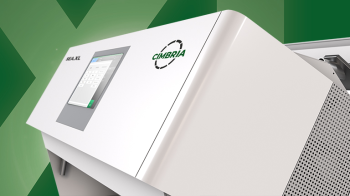
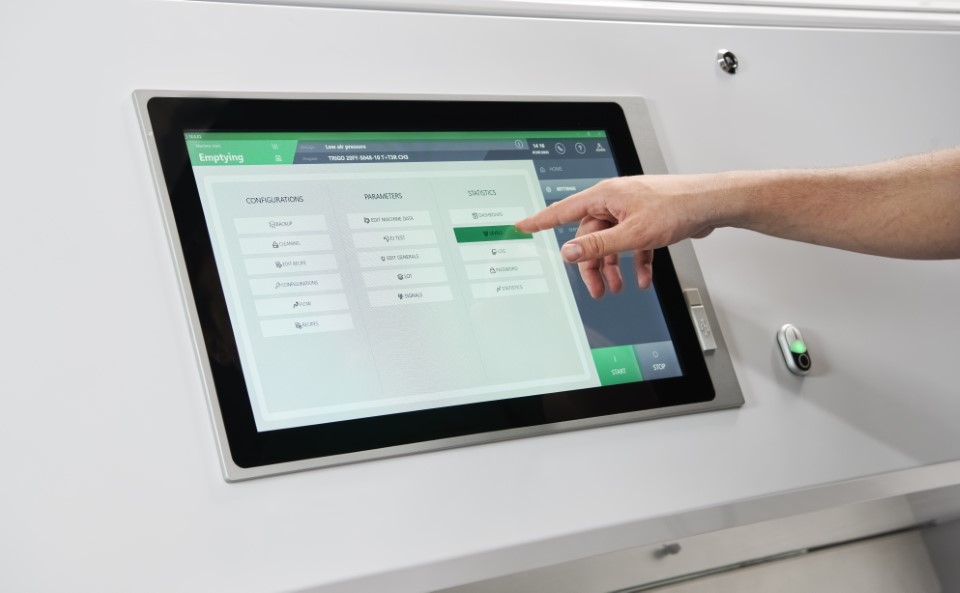
An optical sorter should be simple for operators to use every day. Machines with intuitive touch-screen interfaces, clear menus, and visual guidance make training faster and reduce human error. Quick product changeovers and easy calibration allow operators to switch between different materials or batches with minimal downtime.
Built-in diagnostics and alerts help staff identify issues before they become serious problems, reducing maintenance costs and keeping the line running smoothly. A user-friendly machine ensures consistent performance even with less experienced staff.
6. Service, support & spare parts
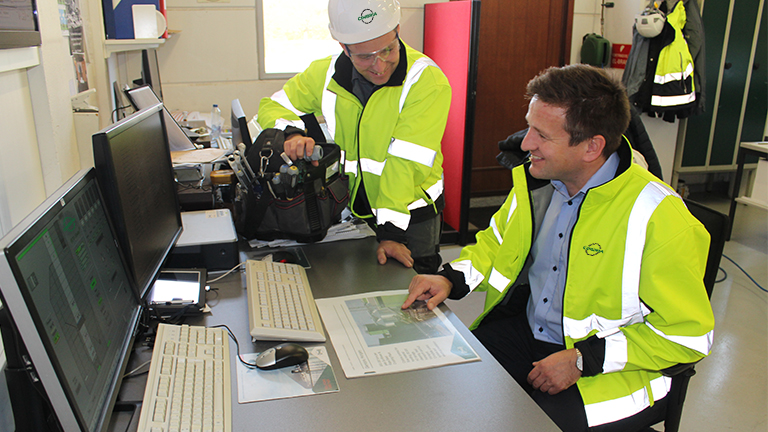
Even the most advanced optical sorter requires ongoing care and support to perform at its best. Reliable service ensures that minor issues don’t turn into costly production delays.
Key considerations include:
- Expert technical support – Access to trained technicians who can troubleshoot problems, either remotely or on-site, ensure fast solutions and minimal downtime.
- Spare parts availability – Having ready access to original, manufacturer-approved components prevent production interruptions and protects long-term performance.
- Structured maintenance programs – Scheduled preventive maintenance helps identify potential issues early, extends machine life, and keeps sorting accuracy high.
- 24/7 support options – For continuous production lines, round-the-clock assistance ensures help is available whenever it’s needed.
- Operator training – Initial and ongoing training equips staff to operate and maintain the sorter efficiently, reducing errors and reliance on external support.
Together, these services protect your investment, maintain consistent quality, and ensure your sorter operates reliably over the long term.
Why the right investment in optical sorting pays off faster than expected
Optical sorting can look like a major capital expense. But in reality, the right system often starts paying for itself much faster than most processors expect, not because of one big saving, but because of many small operational wins happening every day.
1. Yield protection
The first return comes from yield protection. Better detection and smarter reject decisions mean fewer good grains and seeds are thrown away with the waste stream.
Even small improvements matter. Saving just 1–2% of good product can translate into tons of retained material over a season. Real product that can be sold instead of lost. For many mid-sized processing operations, that alone can mean tens of thousands in recovered value each year.
2. Quality
Then there’s quality. Consistent sorting reduces batch variability, which protects your customer relationships and brand trust. Fewer rejected shipments, fewer complaints and fewer reworks quietly remove friction from your processing business.
This kind of value doesn’t always show up on a spreadsheet immediately, but it shows up in long-term contracts, repeat customers, and fewer operational disruptions.
3. Labour efficiency
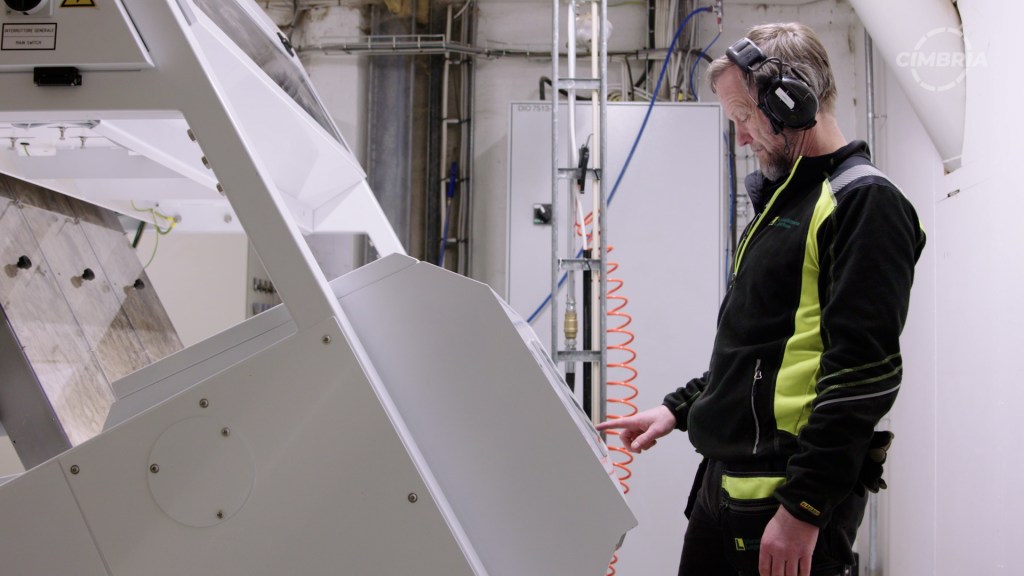
Labour efficiency adds another layer. Automated optical sorting reduces reliance on manual inspection, freeing skilled staff to focus on higher-value tasks like quality control, process optimisation, and line management. Essentially, this is about using people where they add the most value.
4. Energy and process efficiency
Energy and process efficiency also improve. Cleaner, more consistent product streams reduce reprocessing, re-cleaning, and recirculation loads. That lowers energy use, wear on equipment, and maintenance demand across the entire line. Over time, these savings compound into measurable operational stability and cost control.
5. Risk reduction
But the biggest return is often risk reduction. Better detection of contaminants, defects, and foreign material lowers the risk of recalls, rejected shipments, and compliance failures. In today’s regulatory environment, avoiding one serious quality incident can protect years of profit and reputation.
What the future of optical sorting looks like in practice
The future of optical sorting looks very bright. We’re seeing a shift from simple detection to intelligent decision-making, where systems are learning from product patterns, variability and data.
In practice, this means sorters that adapt automatically to changing conditions, reduce false rejects, and maintain stable quality without constant input from your facility operators. Sorting becomes less reactive and more predictive, preventing problems rather than just responding to them.
AI-powered software like Cimbria’s BRAIN™ makes this possible. By combining machine vision, real-time data processing, and self-learning algorithms, it enables optical sorters to continuously improve performance, protect yield, and deliver consistent quality at scale, turning sorting into an intelligent, self-optimising part of the processing line rather than just a mechanical step in the process.