Purchasing an optical sorter is a strategic decision. It’s more than simply adding a machine to your processing line and hoping for the best. It affects your product quality, efficiency, and how you compete in the market.
There are many optical sorters available today. Different technologies, sizes, and price levels. It can be difficult to know what really matters.
That’s why it’s important to take a step back before you decide. To understand your needs, your product, and what will actually make a difference in your operation.
In this guide, we’ll walk you through the key things to consider before purchasing an optical sorter.
First, what is an optical sorter, and why does it matter?
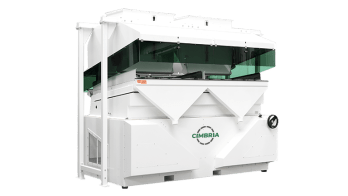
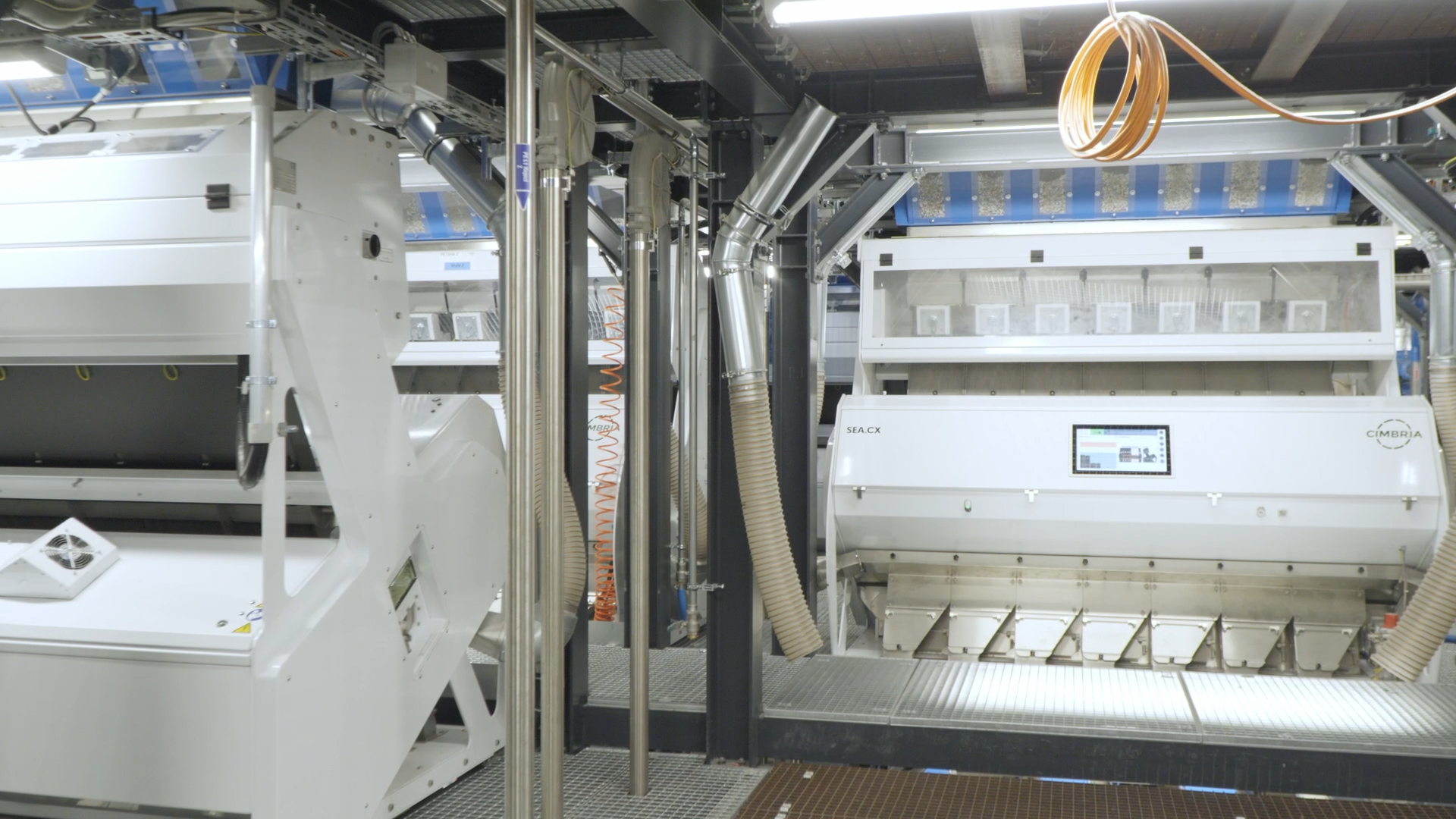
An optical sorter is an advanced automated machine designed to identify and separate good product from defective or unwanted material.
Also known as a color sorter, it uses high-resolution cameras, sensors and AI technology to automatically inspect each item in your product stream. Based on set criteria, such as color, size, shape, structural defects, or material type, the system separates what should stay from what should be removed.
It can even detect small defects and foreign materials that are difficult or impossible to see with the human eye.
You can use optical sorters for seeds, grains, food products, coffee beans, recycling and other industrial materials, and are critical for quality control across your processing line.
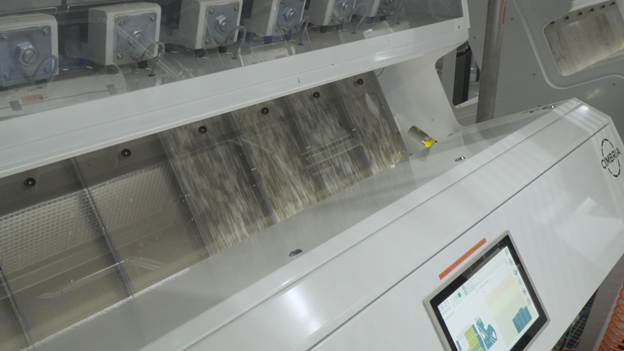
Now, let’s look at the main considerations before purchasing an optical sorter
1. Start with your product
Before you look at an optical sorter, look at your product. This is such an important first step. Different products behave in different ways. Grain is not the same as seeds. Coffee is not the same as nuts. Even small differences in size, shape, or moisture can affect how well an optical sorter works.
It’s also important to understand how consistent your product is. Is the quality stable, or does it change from batch to batch? Do you see seasonal differences? These factors can have a big impact on sorting performance.
Another key point is how your input product is presented to the sorter. For example, if the material is dusty, uneven, or difficult to spread into a single layer, it can reduce accuracy. In many cases, good pre-cleaning and stable feeding are just as important as the sorter itself.
Ask yourself:
- What product am I sorting?
- How much does the quality vary?
- What exactly do I need to remove?
- What is the required production capacity?
- How is the product prepared before sorting?
Answering these questions is the first step in defining the right sorting solution.
From there, the next step is to involve a technology supplier who can test your material, analyse the requirements, and recommend a suitable system configuration. This ensures the solution is tailored to your specific application.
2. Define your sorting requirements
Not all sorting tasks are the same.
Sometimes, only obvious defects need to be removed, such as discolored grains or damaged product. In other cases, the challenge is more complex. For example, removing stones, glass, plastics, or other foreign materials that are similar in color to the accepted product.
The type of defects you are dealing with makes a big difference. Some are easy to detect. Others are very similar to good product and require more advanced technology.
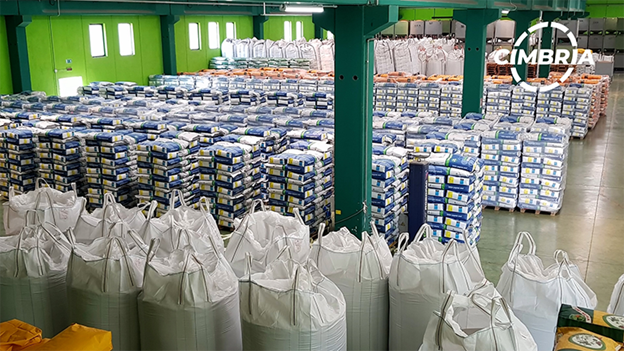
It’s also important to think about how strict your quality requirements are. Are you supplying a market with high food safety standards? Do your customers expect a very clean and uniform product? The higher the requirement, the more precise the sorting needs to be.
Think about:
- Are you mainly sorting by color? Or do you also need to distinguish between products that look identical but have different chemical structures?
- Do you need to detect foreign materials?
- Are there shape or size differences to consider?
- How clean does the final product need to be?
Clear answers to these questions will help define the level of technology you need.
In some cases, a simple solution is enough to achieve the desired result. In others, you may need more advanced sensors to detect small or difficult defects.
Getting this right from the start helps avoid overcomplicating the solution — or choosing a system that cannot meet your quality targets. Contacting your chosen supplier’s optical sorting expert helps you define the requirements more precisely and identify the most suitable optical sorting solution.
3. Think about capacity vs. performance
It’s tempting to focus on capacity and how many tons per hour your chosen optical sorter can handle. But capacity is only one part of a much bigger picture.
There should always be a balance between speed and accuracy. Pushing too much product through the system can reduce sorting performance if the technology is not reliable or correctly configured. Defects can be missed, and good product may be rejected.
At the same time, choosing an optical sorter that is too large for your operations can lead to unnecessary investment or operational costs. A machine that runs far below its capacity is not always efficient.
It’s also worth thinking about how stable your throughput is. Do you run at full capacity all the time, or does it vary? A flexible setup can help you maintain consistent results, even when conditions change.
Try to find a good balance between:
- Enough capacity for your current needs
- Stable and consistent sorting results
- Some room for future growth
A well-sized optical sorter will perform better over time. It will give you reliable results without being overworked or underused.
4. Ensure it’s simple to setup, maintain and operate
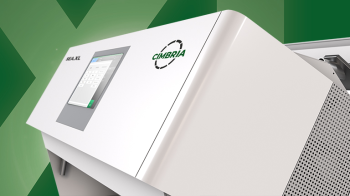
A good optical sorter should be easy to use and quick to understand. Operators should be able to run the machine without long or complicated training. The interface should be clear, and adjustments should be simple. The more intuitive the system, the less room there is for mistakes or downtime.
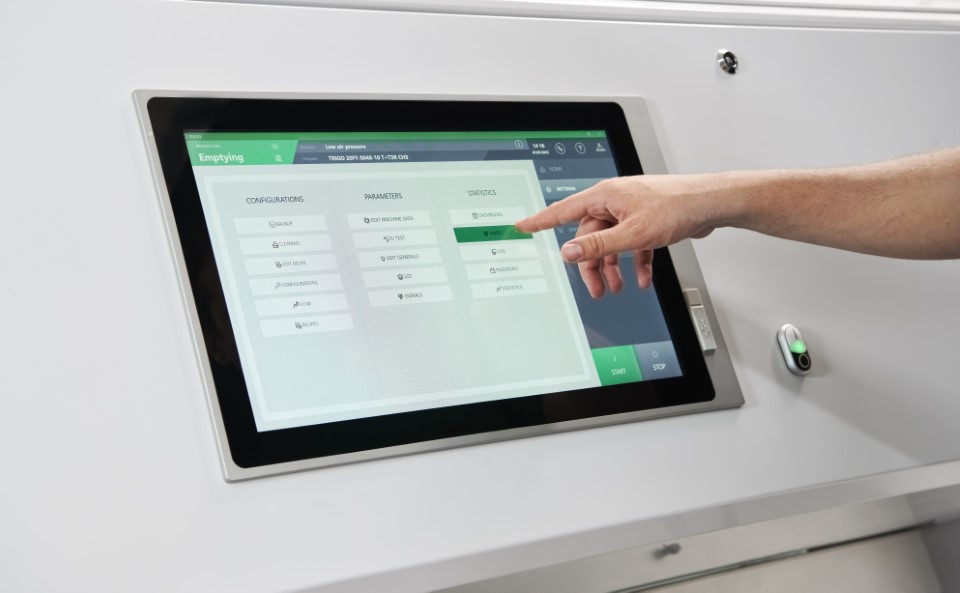
Setup and maintenance are just as important as the optical sorter’s operability. Ask yourself:
- Is the optical sorter easy to clean?
- How often does it need a service?
- How easy is it to reach key parts?
- Is there a local service for technical assistance in my region?
- Are the interface, manuals, and system notifications easy to understand?
An optical sorter that’s difficult to operate or maintain can cost more than its purchase price over time. Well-designed, simple equipment saves time, reduces errors, and keeps your line running smoothly. Investing in usability and maintenance upfront pays off with consistent performance and fewer interruptions.
4. Think about your full processing line
Optical sorters do not work alone. They are part of a larger processing line. How the product is fed into the machine and what happens during and after sorting are just as essential as the machine itself.
Before sorting:
- Pre-cleaning and preparation: Make sure the product is free from dust, clumps, or oversized material. Uneven or sticky material can reduce the accuracy of the optical sorter.
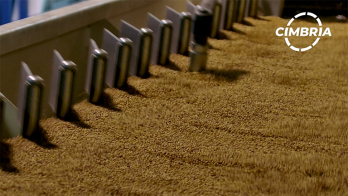
- Even feeding: The product should be spread evenly across the feed belt or chute so that each item can be inspected individually. Uneven feeding can cause good product to be rejected. It can also make defective items pass through.
During sorting:
- Flow stability: Check that the machine can handle variations in feed rate. Too much product at once can reduce precision; too little slows production.
- Monitoring performance: Modern optical sorters often have sensors or software to track rejected or accepted product in real time. Use these readings to adjust the machine and maintain consistent results.
After sorting:
- Downstream processing: Make sure the sorted product flows smoothly to the next step. This includes packaging, storage, or further processing. If the next machine is too slow, it creates a bottleneck, reducing overall efficiency.
- Rejected product handling: Plan how rejected material is collected, removed or re-sorted to recover as much material as possible. An inefficient or poorly designed rejection system can slow down the processing line or result in the loss of good product.
Other considerations:
- Available space: Check the machine physically fits into your current plant layout. Don’t forget about room for maintenance access.
- Integration with other equipment: Ensure that conveyors, hoppers, or downstream machinery work seamlessly with the optical sorter.
- Line flexibility: Consider whether the optical sorter will need to handle different products in the future. A flexible line can save time and investment later.
A well-planned setup makes the entire line more efficient, reduces waste, and ensures the sorter performs at its best. Thinking about the full process from start to finish helps avoid surprises and maximizes return on your investment.
Common mistakes to avoid when purchasing an optical sorter
As you already know, purchasing an optical sorter can be a big investment, and there are a few common mistakes that can cause problems later:
- Choosing the cheapest option: A low upfront price may seem attractive, but it can lead to higher maintenance costs, lower efficiency, or shorter lifespan.
- Buying too small: A machine that cannot handle your current or future volume may need an expensive upgrade sooner than expected.
- Ignoring service and support: Without reliable support, even a great machine can become a headache if something goes wrong.
- Choosing overly complex solutions: A high-tech machine that is difficult to operate or maintain can create more problems than it solves.
Avoiding these mistakes will save time, reduce stress, and help you get the results you expect from your investment.
Choose the right partner
An optical sorter is important, but the supplier or partner you choose can be just as critical to your success. Some of the best optical sorters will not deliver their full potential without proper guidance, testing and support.

What separates an average supplier and an incredible one is that they do more than sell equipment. They work alongside you to ensure the optical sorter meets your exact processing requirements, including:
- Testing your product under real conditions: Every product behaves differently. A reliable supplier will run tests with your material to confirm the machine can detect defects, remove foreign objects, and meet your quality requirements.
- Recommending the right setup: This includes the type of sorter, configuration, feeding system, and software settings. The right setup ensures optimal performance and reduces downtime.
- Providing training, service, and ongoing support: Operators need to understand how to run the machine efficiently. Maintenance staff need guidance on cleaning, calibration, and troubleshooting. Your partner should be available to help when issues arise, whether remotely or on-site.
The best optical sorting suppliers also understand your industry, product, and operational challenges. They do not offer a “one-size-fits-all” solution. Instead, they tailor recommendations to your processes, processing lines, and overall business goals.