Mechanical damage during transport is one of the costliest, most overlooked problems in seed and grain handling, and we’ve seen it happen more often than we’d like. Split kernels, surface cracks and hidden internal fractures all chip away at product value, and they lower germination and reduce yield quite significantly.
That’s why gentle handling is one of the most important steps you can take to protect quality from the moment your product enters the production line.
Let’s look at what actually causes mechanical damage during transport, and how a few smart layout choices can help you keep your seed safe.
What causes mechanical damage in grain and seed processing?
Grain damage typically comes down to three physical stresses: impact, shearing, and friction. Each one affects your seed in a different way and understanding them helps you design a line that protects germination and product value.
- Impact force: When grain drops from a high point into a receiving hopper or the boot of a bucket elevator, that impact can crack the outer shell of the seed.
- Shearing action: In augers or rigid chain conveyors, seeds can get caught between moving parts and side walls, crushing the material.
- Friction and heat: Fast-moving surfaces generate friction and heat, which causes wears and damage to the seed coating.
Key strategies to protect your grain and seed from mechanical damage
Keeping germination high and protecting seed integrity comes down to one thing: gentle, uninterrupted handling from start to finish.
Here are three practical ways you can cut down on impact damage:
1. Use the right contact materials
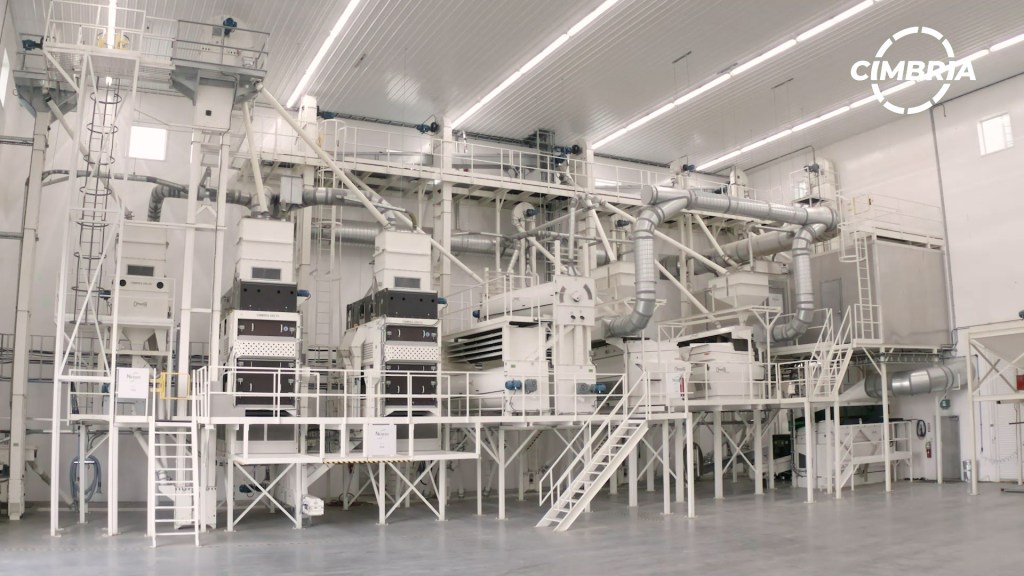
Metal on metal contact hits your seed like a hammer. Our conveyors avoid that by using low friction components at every contact point:
- Rubber-lined pulleys: Drive and idler pulleys with a specialized rubber coating improve belt traction.
- Specialty belt compounds: Food-grade, antistatic, or technical polymer belts cut down on friction-generated heat and prevent seed crushing during horizontal transport.
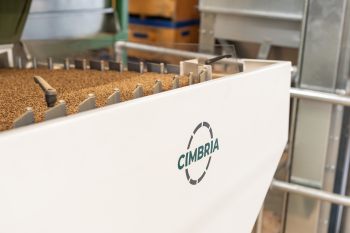
- Flow control: Loading hoppers and drop zones fitted with protective liners reduce friction and product damage. The angle of material flow matters too — get it right, and seeds glide smoothly into the machine instead of slamming into bare metal walls.
2. Run conveyors full and slow, not empty and fast
One of the most common mistakes is running equipment at top speed with a partial load. When there isn’t enough material filling the trough or belt, seeds bounce around and collide with the walls.
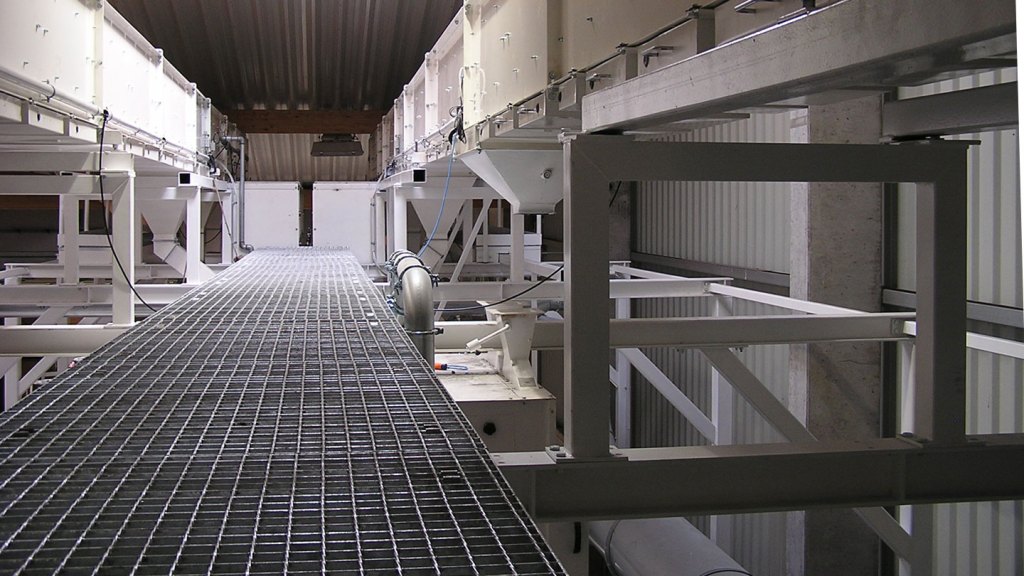
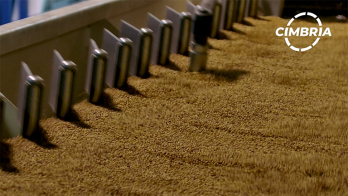
Rule of thumb: A conveyor running full at reduced speed beats one running fast and half-empty, every time. A fully loaded belt creates a natural cushioning effect — seeds shield each other during transport. And as a bonus, lower operating speeds also mean less wear and tear.
3. Tailor the design for every stage of the process
Gentle handling can’t just apply to vertical lifting or horizontal transport, it needs to be built into every single component of the line:
- Belt conveyors: Built for horizontal transport, they keep the product stationary on the belt during the journey, eliminating shearing, internal friction, and seed-to-wall rubbing.
- Bucket elevators: To get the best performance, run at controlled speeds and rely on gravity discharge, letting seeds slide gently over the back of the preceding bucket rather than slamming into the elevator head at high speed.
- Chain and auger conveyors: To prevent crushing, design with generous clearances, add intermediate flow-control systems at the inlet, and use low-friction paddle materials. A steady, high throughput is always the way to go.
Plant manager’s inspection checklist
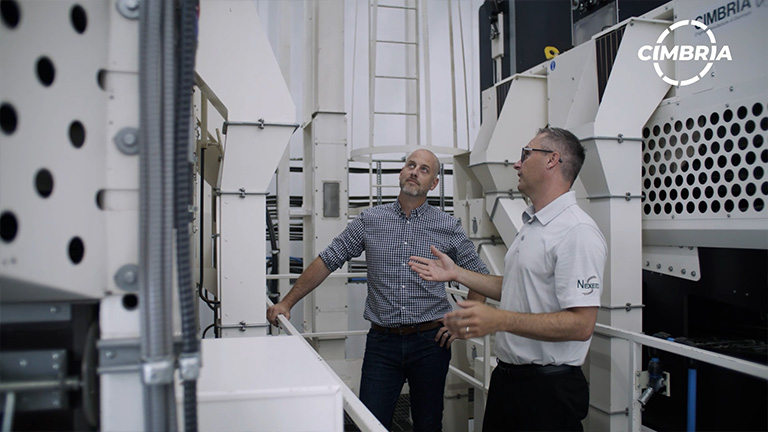
Inspecting your grain and seed processing line regularly helps catch small issues before they turn into bigger ones. A few minutes of checking the right areas can save you a lot of problems in the long run.
Here’s what you should prioritize:
- Look at every gravity chute and receiving hopper. Are the self-cleaning brakes still slowing the product, or have they worn down? If the drop height has crept up over time, your seed is taking harder hits than you think. Even a small increase in fall distance can create impact damage you only notice later in germination tests.
- Check the condition of your elevator buckets. Plastic buckets with rounded, worn edges can scoop and release seed unpredictably, creating extra friction and small collisions. If you see heavy wear, consider switching to unworn steel buckets or replacing the plastic ones before they start damaging the product.
- Make sure your feed gates are set to keep the trough consistently full. A half empty conveyor lets seed bounce, collide and rub against the walls. A full trough cushions the product and keeps movement smooth. If the gates have drifted or operators have opened them too far, reset them to maintain a steady, protective flow.
Reduce mechanical damage today
Mechanical damage isn’t a mysterious occurrence. It comes from unwanted impact, shearing, and friction, and once you know where they appear in your production line, you can remove them. Gentle handling is one of the simplest and most effective ways to protect germination and keep your grain and seed products performing the way you expect.
We have an entire portfolio of products designed for the gentle handling of grain, seed, and other agricultural dry bulk products. For over 75 years, we’ve fine-tuned each one for your specific application, and our global customers couldn’t be happier with the results.
Get in touch with us today to find out how our solutions can help safeguard your grain and seed products from unnecessary mechanical damage.