European plastics recycling has expanded rapidly over the past decade. Waste collection systems have improved, infrastructure has grown, and policymakers across the EU are pushing for higher recycled content in packaging and post-consumer materials.
On the surface, the industry appears to be moving steadily toward a real circular economy. But for recycling processors operating on the ground, the reality is a little more complicated.
Behind the progress is a series of economic, regulatory and operational challenges that are reshaping how recycling facilities must operate. Recyclers are expected to deliver higher-quality materials, at greater volumes, all while competing against low-cost virgin plastics and processing increasingly complex waste streams.
Meeting these demands is forcing the industry to rethink traditional approaches to recycling. And it’s driving recyclers towards precision technologies such as automated optical sorting and AI-driven processing.
Let’s take a look at some of the challenges European recyclers are facing in 2026.
Stricter Regulations and Rising Demand for Recycled Content
One of the most significant challenges shaping the European recycling industry is regulation. European policymakers have introduced ambitious targets to reduce plastic waste and boost recycled content in packaging. But meeting these regulatory requirements is putting more and more pressure on European recycling facilities.
Under the EU’s Single-Use Plastics Directive, PET beverage bottles must contain at least 25% recycled plastic by 2025 and 30% by 2030.
At the same time, the proposed Packaging and Packaging Waste Regulation (PPWR) is expected to extend recycled content requirements across a much wider range of plastic packaging, while demanding requirements around traceability, safety and material composition documentation.
These policies are accelerating demand for recycled plastics at an unprecedented scale. In the coming decades, demand for recycled PET, polyethylene, polypropylene, and other polymers is expected to increase significantly as brands and packaging manufacturers work to meet regulatory targets and sustainability commitments.
Now, regulations are needed. There’s no question about it. However, producing recycled plastics that meet these requirements is not simply a question of processing more volume or increasing working capacity. Recyclers must rethink their entire operations, specifically how they process and sort materials coming through the waste stream.
This shift is transforming recycling from a volume-driven industry to one where precision processing, consistency, quality, and performance are essential.
Competing Against Low-Cost Virgin Plastics
While European recyclers face growing regulatory pressure, they also operate in a market heavily influenced by global virgin plastic production, which now exceeds 450 million tons annually and is sourced from fossil-based virgin feedstocks.
Large petrochemical facilities manufacture virgin plastics at massive scale, often integrated directly with oil and gas refining operations. This integration allows producers to manufacture virgin resin at a very low cost. As a result, virgin plastic prices can sometimes fall below the supply chain cost of producing high-quality recycled plastics in Europe.
This creates a structural challenge for recyclers. They must invest in advanced processing technologies and comply with strict regulatory standards while competing against cheaper materials produced under very different economic and regulatory conditions.
In practice, this means recyclers can no longer compete on price alone. Instead, they must differentiate themselves through material quality, reliability, and regulatory compliance.
Are you a recycler in Europe?
Our white paper explores the biggest challenges facing the European recycling industry and how optical sorting and AI-driven processes can help solve them.
Increasingly Complex Post-Consumer Waste Streams
On top of all this, the composition of plastic waste is becoming far more complex.
Modern packaging is designed for performance, shelf life, and branding, but not always for recyclability. Multi-layer films, mixed polymers, adhesives, pigments, labels, and additives all contribute to increasingly homogeneous waste streams. Even plastics that appear similar to the human eye can behave very differently during recycling.
For example, PET and PVC packaging can look almost identical but cannot be processed together. Even small amounts of PVC contamination can damage entire batches of recycled PET during processing. Similarly, certain black plastics containing carbon pigments are difficult for conventional sorting systems to detect.
These factors reduce yields and increase processing costs. In many recycling facilities, only a portion of the incoming plastic ultimately meets the purity standards required for high-value applications such as food packaging. The rest may be downgraded into lower-value products such as fibers, containers, or industrial goods.
As waste streams become more heterogeneous, maintaining consistent output quality becomes significantly more challenging.
So, How Should European Recyclers Tackle These Challenges?
Faced with these challenges, European recyclers should look beyond volume-driven processing and consider optimising their processing lines. The specific focus should be improving how plastic materials are identified, separated, and processed to deliver the levels of purity, quality, consistency, and traceability that regulators and customers expect.
One of the most effective ways to achieve this is through advanced automated optical sorting technologies.
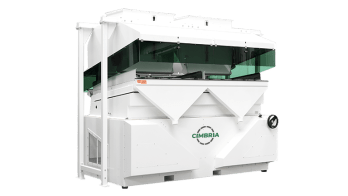
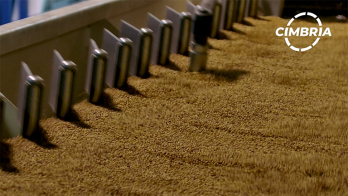
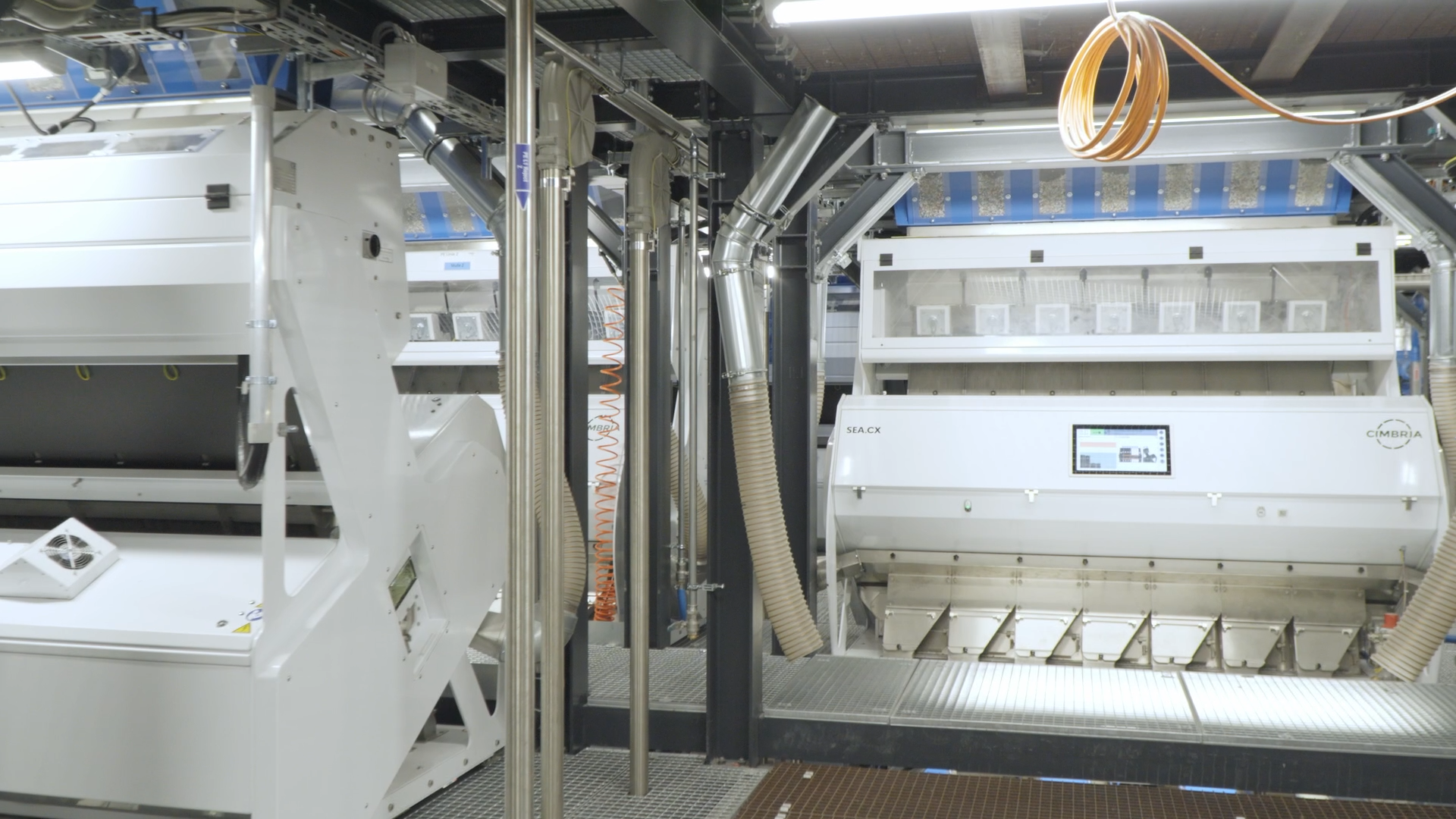
Optical sorting systems use high-resolution, full-color and SWIR cameras alongside sophisticated sensors to inspect any single flake and granule in product streams and separate them based on color, size, shape, and material composition.
More advanced systems now incorporate artificial intelligence capable of analyzing material streams in real time and adapting almost automatically to changes in waste composition.
AI-powered optical sorting offers several key advantages for modern recycling facilities:
- Higher material purity, enabling the production of food-grade recycled plastics
- Reduced contamination, protecting batches from costly quality failures
- Improved yields, allowing more material to remain in high-value applications
- Greater operational efficiency, reducing manual sorting and reprocessing
- Improved traceability, supporting compliance with regulatory requirements
By increasing the precision of sorting processes, these technologies allow recyclers to transform complex, heterogeneous waste streams into consistent, high-quality materials suitable for demanding applications.