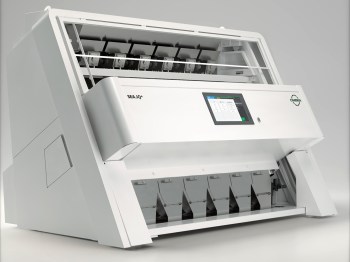
Many believe recycling simply collects waste and separates materials. But that couldn’t be further from the truth. Today, it’s a fast-moving, high-tech industry where efficiency, accuracy and consistency matter as much as sustainability and creating a circular economy.
Every minute material sits on a conveyor, every kilogram of contamination, and every unexpected equipment breakdown has a direct impact on throughput, product quality and the profitability of your operations.
This guide shares five practical ways to make recycling lines faster, cleaner, more reliable, and more efficient. These methods are proven in even the most modern recycling facilities and highlight how integrating smarter technology and implementing better practices can transform your recycling facility.
1. Improve Recycling Material Flow
Smooth material movement is the foundation of an efficient recycling processing line. Bottlenecks happen when materials pile up or move too slowly between machines, causing downtime, lost productivity, and extra labor to clear blockages.
So, how do you prevent this?
- Arrange conveyors in a logical sequence from intake to final output. Sharp turns, unnecessary drops, or sudden changes in belt speed can create blockages and slow the flow. Adjusting conveyor angles, using gentle slopes, and minimizing sharp bends helps materials move consistently.
- Match conveyor speed to machine capacity. For example, if a shredder can handle 5 tons per hour, but the upstream belt feeds 6 tons, the excess material will back up. Installing adjustable-speed conveyors allows operators to control the flow and avoid overloading downstream equipment.
- Think about the small tweaks. Adding a short feeder belt at a critical junction, clearing obstacles from chutes, or slightly raising or lowering a conveyor can reduce pileups and prevent jams. Regularly walking the line and observing material flow helps operators spot trouble spots before they become bigger problems.
By carefully planning the layout, monitoring flow, and making small, targeted adjustments, recyclers can keep materials moving smoothly, reduce downtime, and make the entire line more productive.
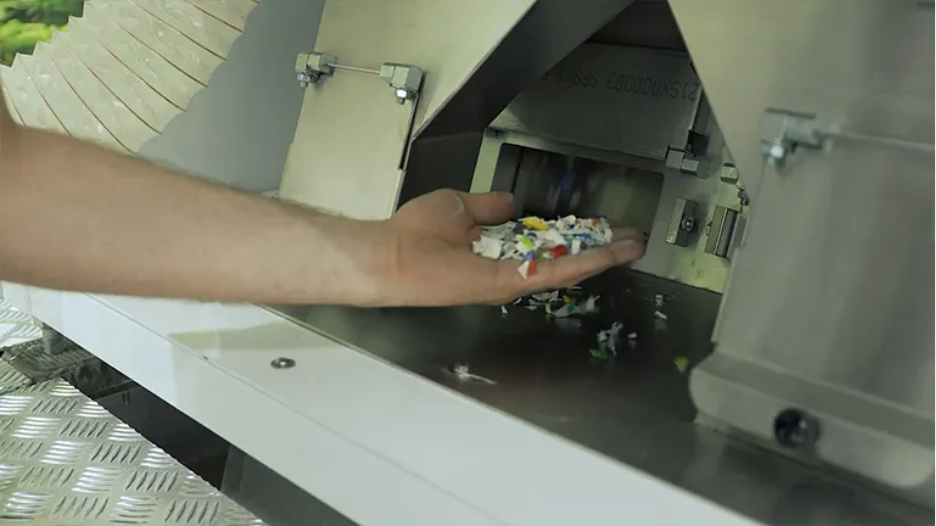
2. Keep Machines in Good Condition
Even the fastest recycling line will stop if a shredder or conveyor fails unexpectedly. These unexpected breakdowns not only reduce production but can also be expensive to repair, create extra labour costs, and lower overall operational efficiency.
That’s why preventative maintenance is essential:
- Regularly inspect conveyor belts, screens, bearings, drives, and other components to keep machines running reliably and reduce the risk of downtime.
- Add integrated control and monitoring solutions that track throughput, motor load, conveyor speed, and equipment status to help spot issues early. Combine them with trend analysis or maintenance schedules to plan repairs before failure happens, ideally during low-production periods.
- Clean machines, check belts for wear and lubricate moving parts regularly. These may seem basic but are highly effective in preventing breakdowns.
By keeping machines in good condition, recyclers not only protect their investment but also maximize efficiency, reduce waste, and maintain a steady, high-quality output.
3. Upgrade Screening and Separation Equipment
Screens are an essential part of any efficient processing line.
Traditional screens that only sort by size or weight may work for basic separation, but modern recycling waste streams are often more complex. Mixed plastics, multi-colored materials, or unexpected contaminants can slow down older systems and reduce the quality of the final product. It’s important to use advanced screening solutions to remove unwanted contaminants early in the process.
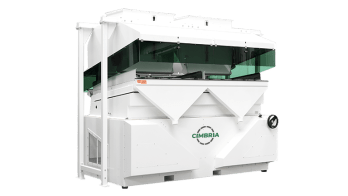
For example, screen cleaners configured for dry recycling help remove dust, small contaminants, and light debris from heavier material early in the process. This means material reaching downstream solutions like optical sorters is cleaner, allowing them to work faster and with much greater precision.
By upgrading and optimizing screening equipment, recyclers can ensure smoother material flow, reduce contamination, and produce higher-quality output, making the entire processing line faster and more reliable.
4. Use Optical Sorting Technology for Greater Recycling Purity
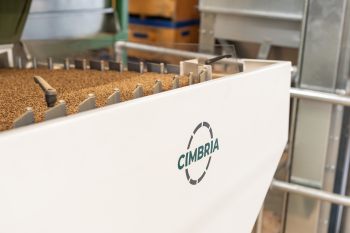
Optical sorting solutions such as color sorting and hyperspectral sorting can significantly improve processing efficiency. Recyclers worldwide use these technologies to detect material differences, separate valuable fractions, and remove impurities from mixed waste streams.
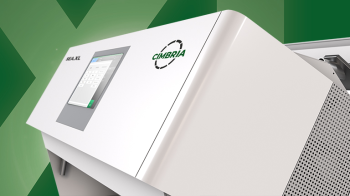
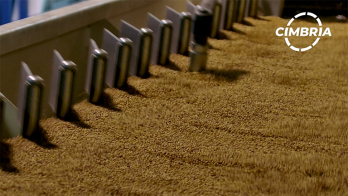
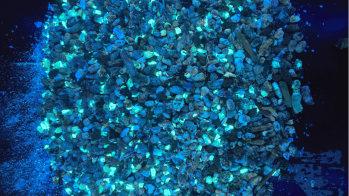
Modern optical sorters combine high-resolution full-color cameras with hyperspectral, UV and SWIR sensor technologies, supported by advanced AI algorithms. These systems can identify and sort plastics, metals, glass and other materials by color and chemical composition at high speed and with high accuracy, reducing the need for manual sorting.

AI-powered optical sorting delivers several key benefits to your recycling facility:
- Higher material purity, helping you produce cleaner, higher-quality output, including food-grade material where required.
- Improved yields, allowing more material to remain in high-value streams instead of being rejected.
- Greater operational efficiency, with faster, more consistent sorting and reduced reliance on manual labor.
- Lower contamination levels, improving the quality and reliability of the final product.
Optical sorters also work best as part of a complete system. When combined with conveyors, screening equipment, and cleaning solutions, they create a smooth and efficient processing line. Cleaner input from earlier stages allows the optical sorter to perform even better, increasing both throughput and accuracy.
With the right setup and support, optical sorting technology helps recyclers handle complex material streams with confidence. It reduces downtime, improves product quality, and makes it easier to produce high-value recycled materials in a consistent and efficient way.
5. Train Staff and Track Performance
Even the best machines need skilled operators. Staff should understand how to operate equipment, adjust settings, and handle simple issues before they become bigger problems.
Well-trained operators are often the difference between a line that runs smoothly and one that stops frequently. Proper training not only reduces mistakes but also helps teams get the most out of the equipment they already have.
Tracking performance is just as important. Using key performance indicators (KPIs) such as throughput, contamination rate, and downtime gives a clear picture of how the line is performing. When these numbers are reviewed regularly, it becomes easier to spot trends, identify bottlenecks, and act early.
Over time, this creates a culture of continuous improvement. Small, data-driven changes can lead to better efficiency, higher product quality, and more stable operations across the entire processing line.
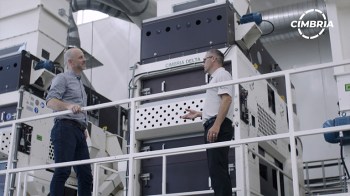
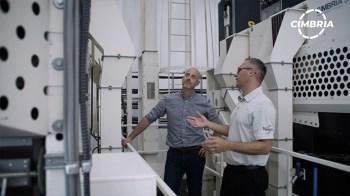
Discover the Recycling Company Using 19 Optical Sorters
Faced with increasingly complex waste streams and rising expectations for plastic purity, consistency and compliance, Vogt-Plastic made a deliberate shift towards precision-driven plastics processing.
Today, the company uses 19 Cimbria optical sorters to process roughly 200 tons of plastic per day across four dedicated processing lines — two for high-density polyethylene (HDPE) and two for polypropylene (PP). Each line has a specific role and is connected in a series on a dedicated floor to maximise efficiency. And all sorters use full-color RGB and NIR infrared cameras to deliver exceptional final product purity.
Discover more in the video below:
Conclusion
Making a recycling facility more efficient is not about one single change. It comes from combining smart planning, the right equipment, regular maintenance, and well-trained operators. When these elements work together, the entire line becomes more stable, productive, and easier to manage.
Optical sorting technology plays a key role in this. It allows recyclers to separate materials quickly and accurately, improving both product quality and overall performance.
By improving material flow, maintaining equipment, upgrading screening, using optical sorting, and tracking performance, recyclers can increase throughput, reduce waste, and produce more consistent, higher-value materials.
As recycling streams become more complex and quality demands continue to rise, efficiency is no longer optional. It is essential for staying competitive and meeting market expectations.