SPS (South Pacific Seeds) is one of New Zealand’s most important vegetable seed producers. Operating in the Canterbury Plains, one of the country’s key vegetable seed growing regions, the company handles high-value crops such as carrot, spinach, radish, and onion, and exports them to every corner of the globe.
Because of this, SPS’s volumes are high and standards are strict. But its processing equipment was a mix of older Cimbria solutions and several legacy machines, with some dating back to the 1970s. It was time for a change and some well-needed modernisation.
To achieve this, SPS partnered with Cimbria’s official dealer and integration specialist, PMR. Together, they built an advanced cleaning line with digital control, automated handling, and the efficiency required for continuous operation, even during peak season.
Why SPS chose Cimbria and PMR
The project attracted strong interest from other international suppliers, and the competition for the installation was strong. SPS was well aware of the options available, but the company ultimately prioritized long‑term reliability and support over short‑term pricing.
SPS had already worked with Cimbria equipment for many years and trusted its performance. PMR added another layer of confidence. The team is based only a short drive from the SPS site and has delivered multiple Cimbria installations across the region. That proximity matters in a remote market where downtime can quickly become expensive.
For SPS, the combination of proven Cimbria technology and PMR’s local engineering capability offered the most dependable path forward. It reduced risk, ensured fast support, and provided a clear foundation for future upgrades.
How the New Line Was Designed and Built
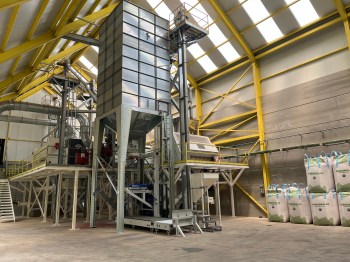
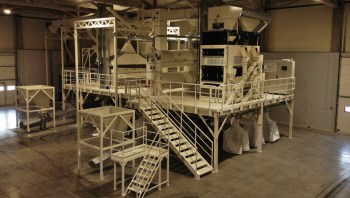
Once the project was confirmed, PMR began designing the new line using Cimbria’s 3D models to plan the full layout, including platforms, access points, and conveying routes. This allowed the team to design a clean, efficient structure that fits the existing building while improving workflow and service access.
All platforms and structural components were manufactured locally in PMR’s engineering workshop. This reduced shipping costs, shortened lead times, and ensured every part of the installation matched the site conditions exactly. Once fabrication was complete, the equipment and platforms were transported to SPS and assembled onsite.
The installation was completed before the processing season. The line was commissioned and running by late January, allowing SPS to move straight into 24‑hour operation during peak harvest. PMR’s proximity proved valuable throughout the process, especially during early adjustments and fine‑tuning.
A Complete Cimbria Cleaning Line
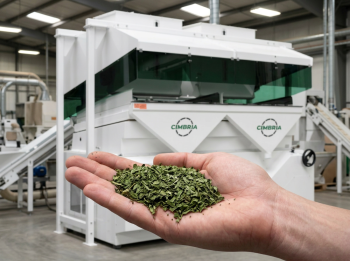
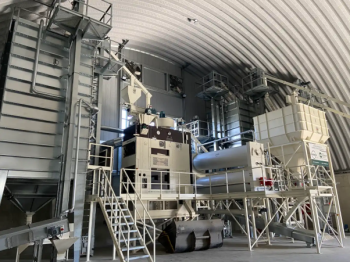
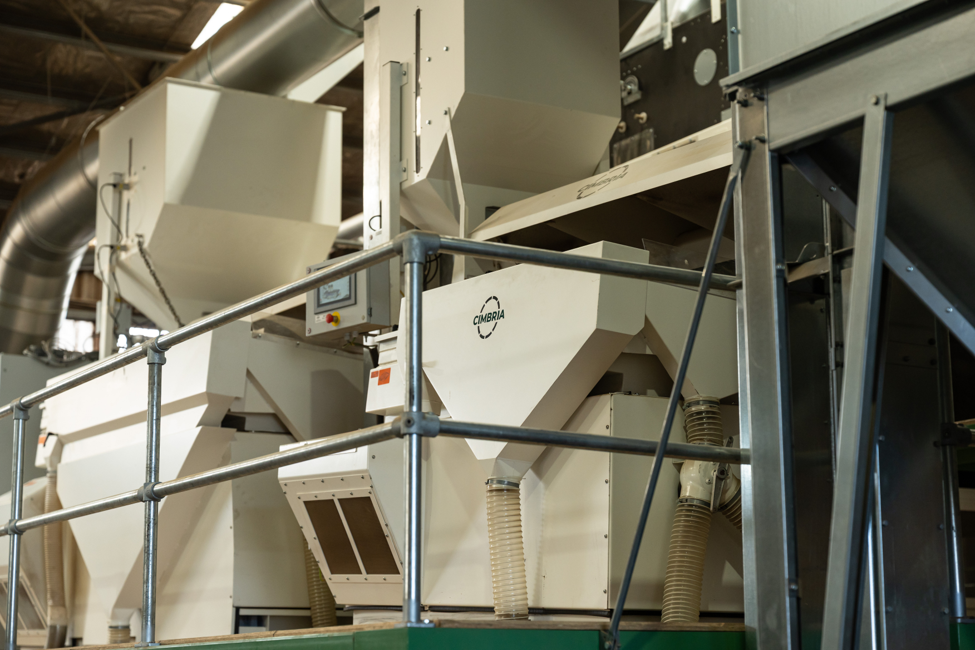
The new line is built around a two‑ton‑per‑hour Cimbria setup designed specifically for vegetable seeds. Seed enters the system through a Cimbria Z‑elevator and passes directly into a Cimbria de‑awner, which removes husks and surface material before cleaning. From there, the product moves into the Cimbria Delta cleaner for primary separation.
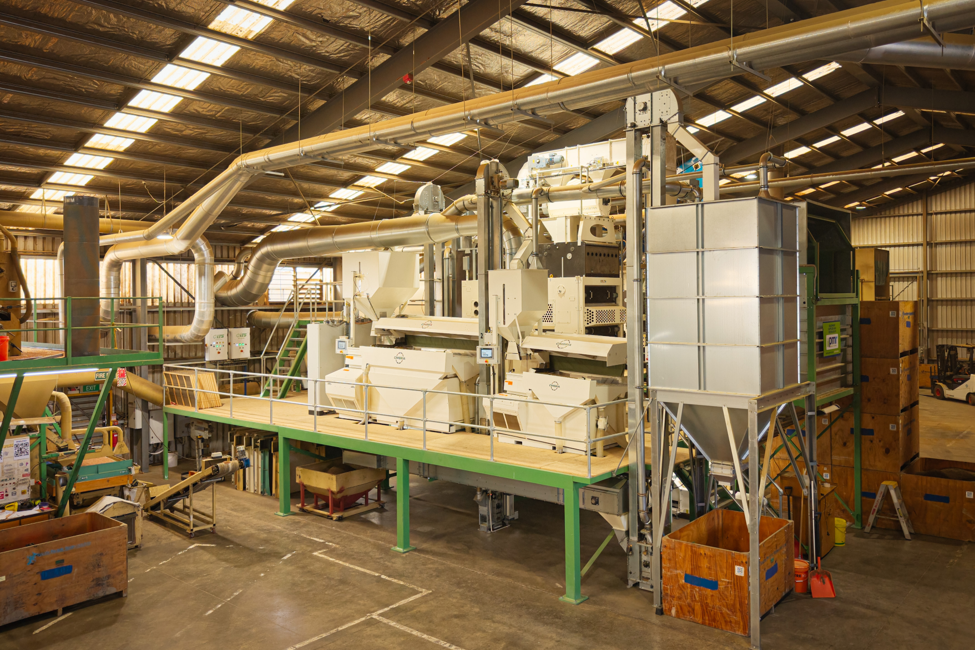
After the Delta, the seed flows through Cimbria indented cylinders for length grading. The final stage is density separation, handled by two gravity tables: a large primary table and a smaller middle‑cut table. This dual‑table arrangement allows SPS to process the middle fraction immediately, without rerunning material through the system, which improves efficiency and reduces handling time.
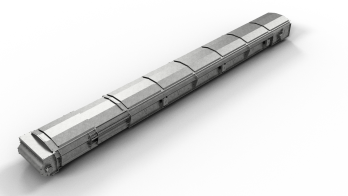
All conveying between machines is Cimbria as well, including low‑speed bucket elevators fitted with automatic cleaning boots. These compressed‑air cleaning systems significantly reduce clean down time and help maintain product integrity between batches.
The result is a complete, integrated line where every component is designed to work together with consistent performance across a wide range of vegetable seed types from beginning to end.
Digital Control for Consistent Performance
A key feature of the new line is the introduction of Cimbria’s HMI touchscreens on the Delta cleaner and both gravity tables. This is the first time New Zealand has used Cimbria’s digital interface, and it brings a level of control that was not possible with the older mechanical setups.
The HMI allows operators to save product‑specific settings, monitor adjustments in real time, and review alarm histories directly from the screen.
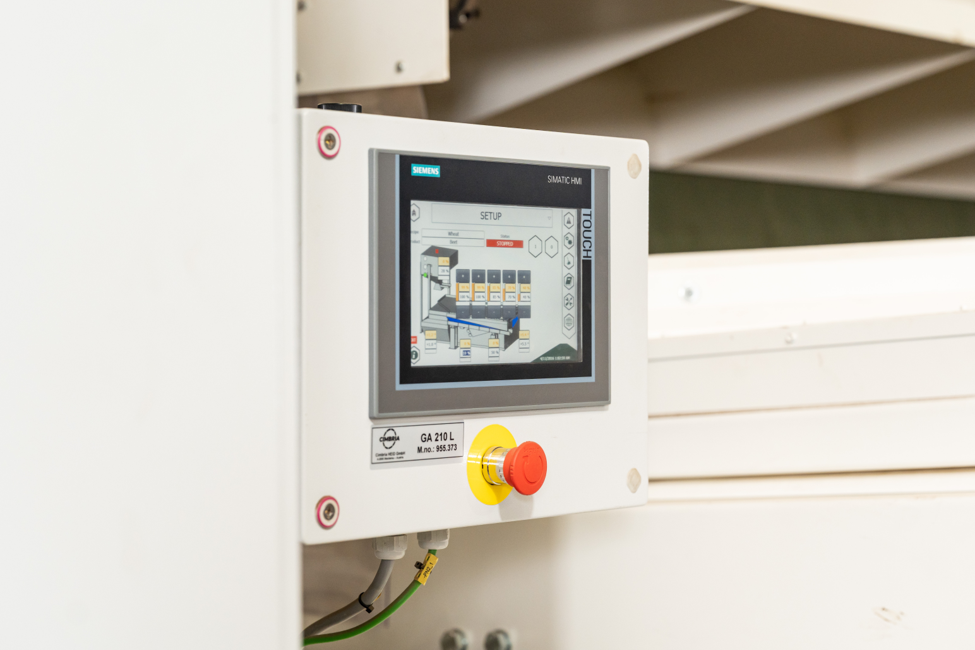
For SPS, this means faster setup between different vegetable seed types and more consistent results from batch to batch. It also reduces reliance on operator memory, which is important in a plant that runs day and night with multiple shifts.
The system does not replace operator skill, but it gives every operator a reliable starting point. Experienced staff can fine‑tune as needed, while newer staff can work with greater confidence. The entire HMI system has become a practical tool for improving repeatability, reducing errors, and supporting a more efficient workflow.
Setting a New Standard in New Zealand
The new Cimbria line has quickly become a reference point for modern seed‑processing in New Zealand.
It’s the first installation in the country to combine Cimbria’s full cleaning configuration with HMI‑enabled digital control, automated conveying, and a layout designed specifically for continuous operation. For SPS, the upgrade has delivered greater efficiency, faster changeovers, and more consistent results across a wide range of vegetable seed types.
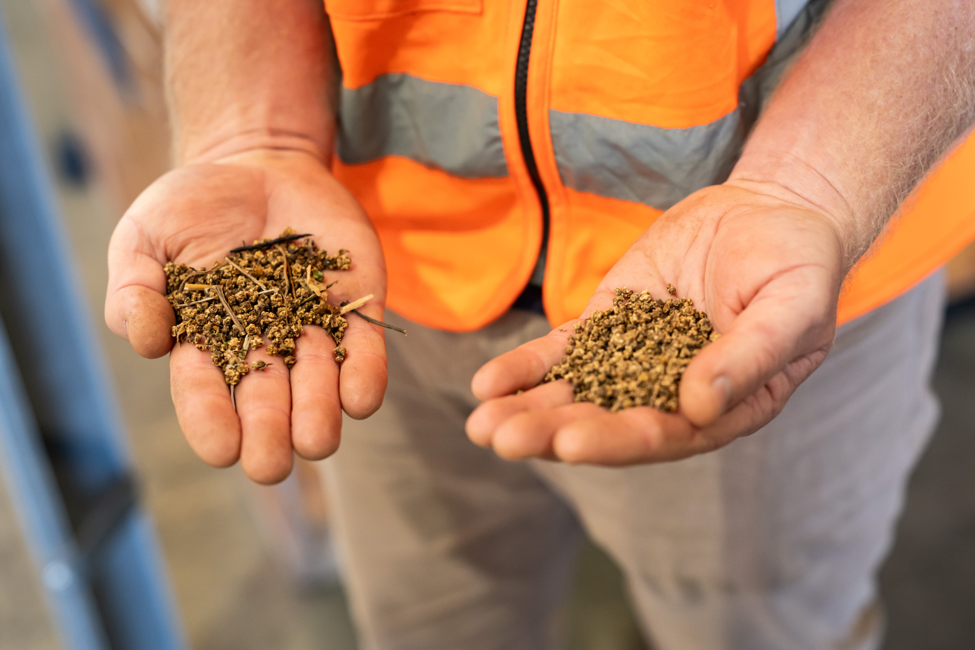
The response from SPS has been very positive. The team publicly shared photos of the installation and highlighted the performance of the new line, as well as the support provided by PMR throughout the project. The combination of European technology and local engineering has set a new benchmark for what seed‑processing plants in the region can achieve.
For the wider industry, the project demonstrates how modernization can be achieved even in remote markets, provided the right technology and local expertise are in place. It also shows how digital control and improved clean‑down processes can make a measurable difference in day‑to‑day operations, especially for producers handling high‑value export crops.