Global grain trade is evolving rapidly. Larger vessels, higher seasonal intake volumes, and increasingly complex logistics networks are placing new demands on terminals and bulk handling facilities.
For operators, the biggest challenges are moving more product, maintaining consistent quality, and keeping operations running around the clock. Meeting these challenges requires processing infrastructure that delivers consistent performance, reliability, and efficiency across the entire logistics chain.
Cimbria is positioned in the center of this transformation, continuing to develop integrated grain and dry bulk handling solutions designed to support new demands on modern grain trade flows.
Designing for Throughput and Reliability
At the core of Cimbria’s approach is the development of advanced infrastructure capable of handling high throughput without compromising operational stability.
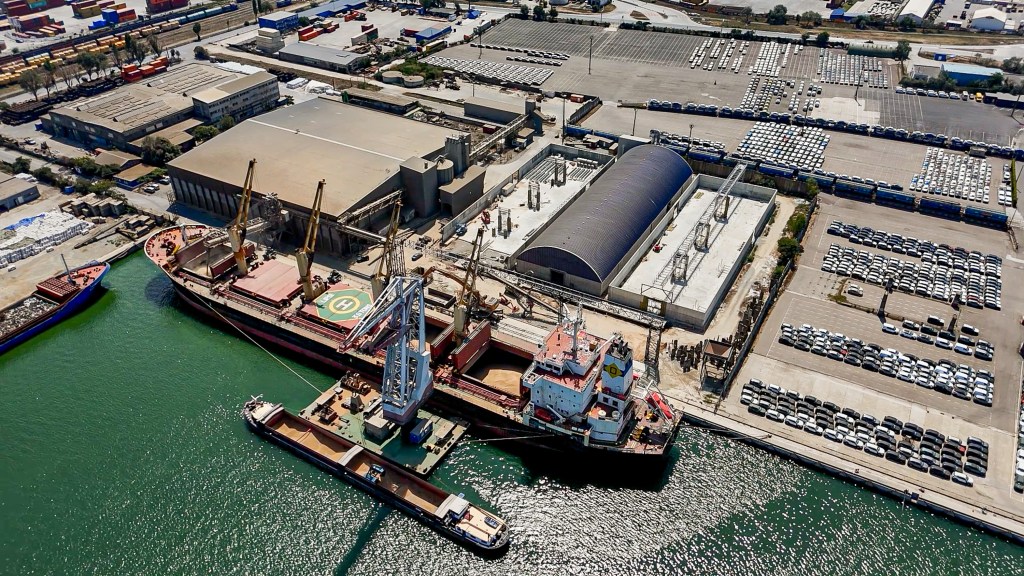
Grain terminals and bulk handling facilities often experience intense intake periods during the harvest season or when large shipments arrive by truck and rail at the same time. Equipment must manage these surges and maintain reliable downstream processes.
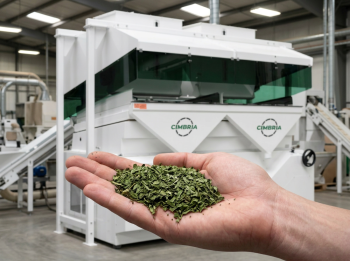
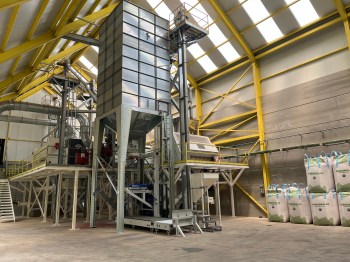
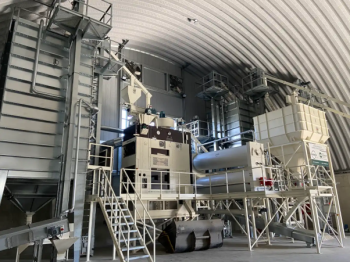
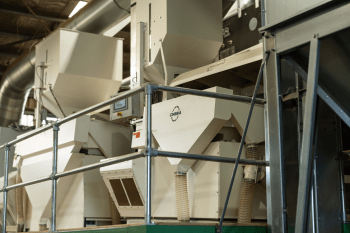
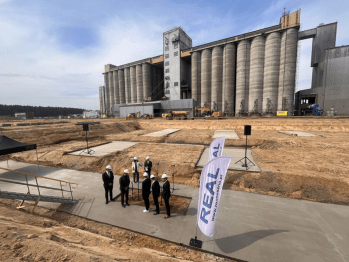
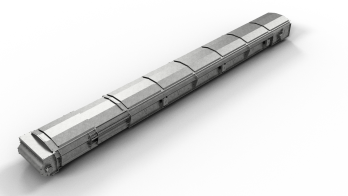
Cimbria integrates both truck and rail intake, high-capacity conveying, grain cleaning and drying where required, silo storage with temperature monitoring, and efficient ship loading solutions.
By combining these solutions as a complete system that works together rather than individually, the goal is to create a stable material flow throughout the facility, maximize capacity, and ensure consistent grain quality from intake to export.
Infrastructure Built for Demanding Conditions
Bulk grain terminals and facilities operate in environments that push equipment to its limits.
Dust levels rise fast, mechanical loads stay high throughout the day, and conveyors, elevators, cleaners, and loading systems run for long periods without pause. Every component is exposed to abrasion, vibration, and constant material flow. And these conditions create stress that only strong mechanical design can withstand.
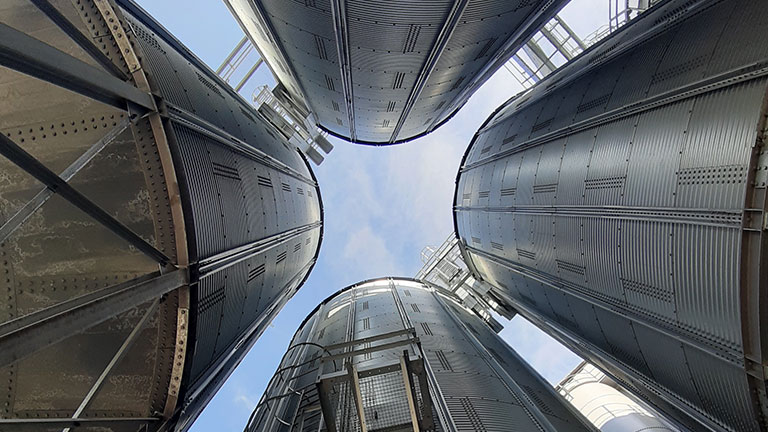
Cimbria understands this. Every solution is built for long service life, stable performance, and predictable operation, even when the terminal or facility is running at full capacity.
Structural frames are developed for strength. Wear surfaces use hardened materials and replaceable liners. Flow paths are shaped to reduce friction and protect throughput. Drive systems maintain torque under load without wasting energy. Nothing is over stressed. Nothing is underbuilt.
Digital Monitoring and Lifecycle Support
As grain terminals continue to modernize, digital technologies are becoming essential to maintaining stable and efficient operations.
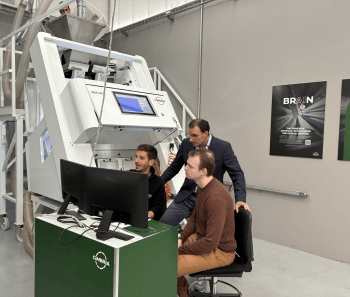
Cimbria integrates advanced monitoring systems directly into its installations, so operators can track equipment conditions, storage temperatures, and key operational parameters in real time. This gives teams a clear view of how the plant is performing at any moment and allows them to react before small problems turn into real ones.
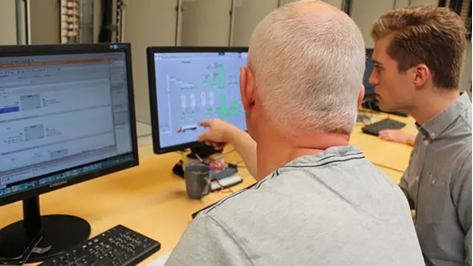
These digital insights support a predictive maintenance approach rather than a reactive one. Operators can identify early signs of wear, imbalance, or temperature drift long before they lead to equipment failure.
When combined with Cimbria’s lifecycle service support, this creates a maintenance strategy that protects uptime, extends equipment lifespan, and reduces the total cost of ownership. It also helps facilities plan service work during low activity periods instead of during peak intake or vessel loading.
For operators handling millions of tons of grain each year, the ability to avoid unplanned downtime is just as valuable as increasing throughput capacity.
A single unexpected stop can disrupt logistics, delay shipments, and create significant cost across the supply chain. Cimbria’s digital monitoring and service philosophy are designed to prevent exactly that, ensuring that terminals stay reliable, predictable and ready for continuous operation.
Scalable Infrastructure for Growing Trade
Global grain markets shift constantly as harvest conditions, geopolitical events, and demand patterns change. This means terminals cannot rely on fixed capacity. They need infrastructure that can grow when volumes grow and stay efficient when volumes fall.
Cimbria’s modular plant designs allow facilities to expand in controlled phases, so operators can increase throughput as volumes grow, rather than investing in a full-scale installation from the start.
This protects long-term investment by ensuring that every stage of expansion builds on the existing system. Conveying lines, cleaning systems, storage solutions, and loading equipment can be added or modified without disrupting ongoing operations.