Few companies have a better understanding of Finland’s grain, seed, and food markets than Oriplan Oy. Since 1988, the company has worked closely with processors, producers, and manufacturers across the country, helping them integrate new technologies and improve performance from beginning to end.
As Cimbria’s long-standing dealer in Finland, Oriplan supports customers across a wide range of sectors. Everyone from premium oat processors to producers serving the fast-growing plant-based food markets. The company has seen it all and has a front-row seat to the trends shaping Finland’s constantly growing processing and manufacturing landscapes.
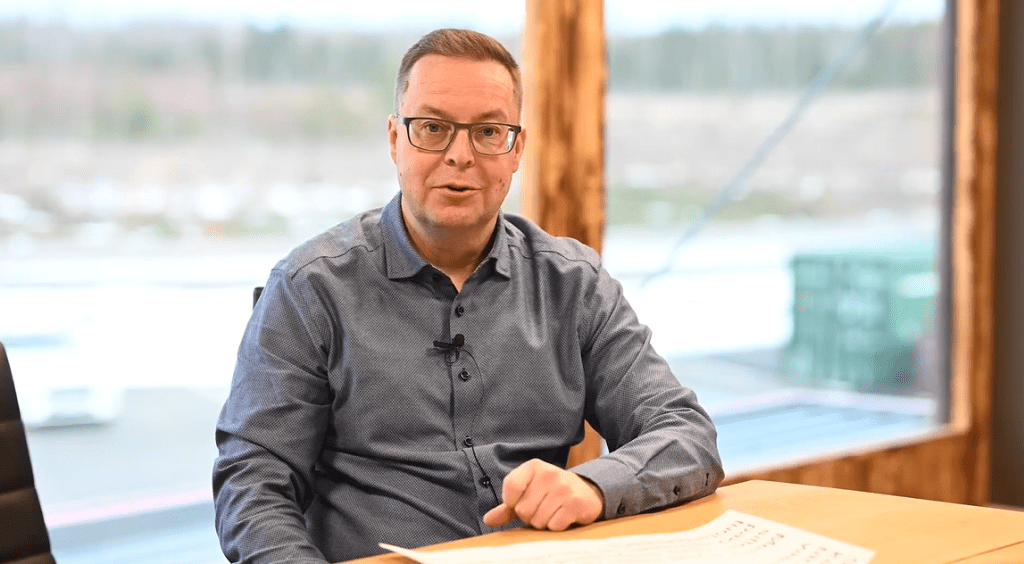
According to Harri Laakso, Owner and CEO of Oriplan, one thing is becoming increasingly clear: today’s Finnish market is less about processing more product and more about extracting greater value from every ton.
“The focus is increasingly on quality,” says Laakso. “That’s where Finnish processors can differentiate themselves, and that’s where we see growing interest in Cimbria’s advanced optical sorting technology.”
Meeting Higher Expectations
Every country around the world has growing expectations around seed, grain, and food quality. Finland is no different. Purity and consistency are key requirements. And because of that, processors are under increasing pressure to meet them.
“We see it every day,” says Harri. “Customers expect more than they did ten to fifteen years ago. It doesn’t matter whether it’s oats, seeds, or food ingredients. Ensuring maximum purity and stringent quality control is a huge focus for every Finnish producer, processor, and manufacturer in every market right now, and that’s why they’re coming to us for help.”
Harri continues to explain that this focus largely comes from a combination of stricter regulatory pressure, growing concerns over contaminants, and the need to safeguard market access and brand reputation.
“These pressures are changing what processors expect from their processing solutions and how closely they need to control the quality of their final product,” he adds.
Why Optical Sorting Is Gaining Momentum
For Laakso, this changing environment is creating a much stronger case for advanced optical sorting. Rather than simply removing unwanted material from product streams, processors are looking for technology that can help them comply with regulations, achieve precise sorting, improve product consistency, and ensure maximum purity for their customers.
“Everyone wants to get the best possible result from the material they’re processing,” he says. “The challenge is achieving the required quality, purity, and consistency while also maintaining optimal yield, efficient operation, and competitiveness in international markets.”
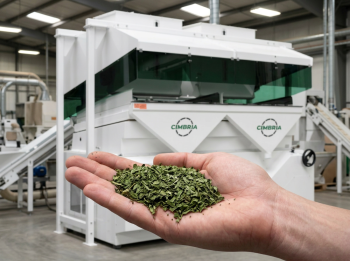
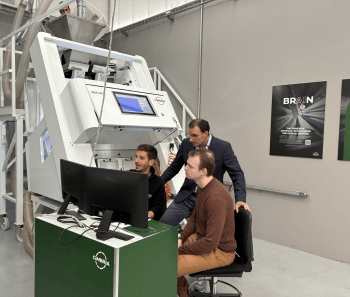
That’s where Cimbria’s SEA optical sorters are attracting attention. Built from 75 years of experience in optical sorting technology, the SEA range uses a combination of high-resolution cameras, advanced sensors, and sophisticated AI-powered algorithms to identify and remove defects with remarkable precision. Some models can even detect defects that the human eye simply cannot see.
“Cimbria’s SEA optical sorters are the perfect solution for Finnish businesses that need specialized processing capabilities, particularly in rising markets such as plant-based or gluten-free foods and value-added agricultural products.” he says, continuing:
“The level of precision they can get is outstanding. We’ve seen these machines deliver up to 99% sorting accuracy.”
Combining Global Technology with Local Expertise
But optical sorting technology alone isn’t enough to deliver results. Selecting the right solution, integrating it effectively, and ensuring it meets the specific needs of each processing plant are equally critical.
This is where Oriplan’s experience in the Finnish market plays a decisive role. Different materials, processes, and production goals require different approaches, which means understanding what customers want to achieve before finding the right solution.
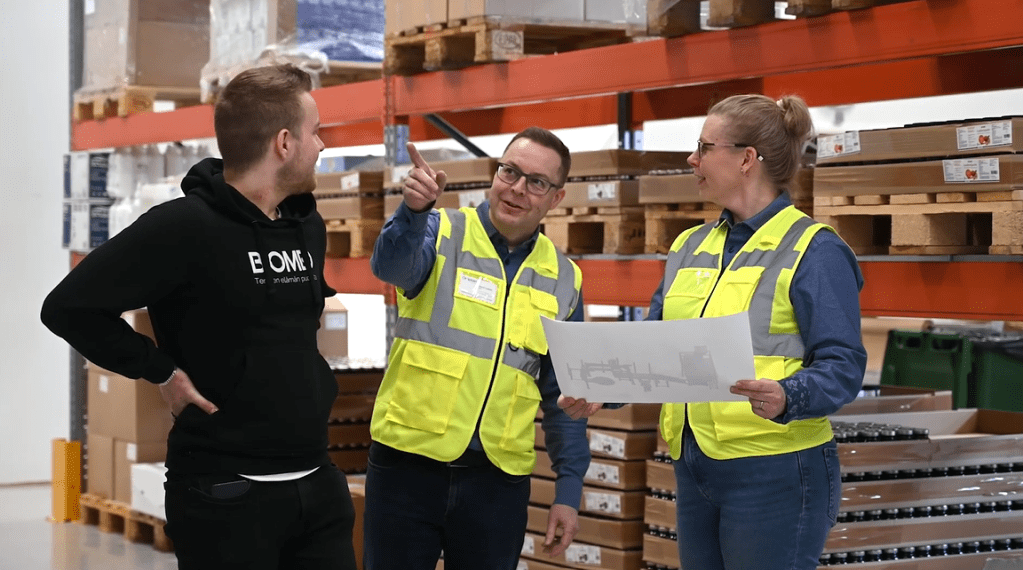
“Every processing plant is different,” says Laakso. “Our job is to really dig into our customers’ processes and their challenges and then help them find the best way to reach their goals,” continuing:
“We do that by being with them every step of the way, from system design and installation to seamless line integration and ongoing support. And thanks to Cimbria being there with us, we can offer a level of service unlike many others in Finland.”
This combination of local expertise and Cimbria’s deep optical sorting knowledge is becoming remarkably valuable as Finnish customers seek new ways to modernize their lines and create more value from their processed products.
Looking Ahead
When asked about the future, Laakso sees continued growth in demand for technologies that help processors achieve higher product quality and greater operational efficiency.
“We expect quality requirements to become even stricter in the coming years,” he says. “At the same time, processors need to remain competitive and make the most of their raw materials.”
For Finland’s grain, seed, food, and recycling industries, the ability to maximize value from every ton is becoming increasingly important. As businesses face tighter specifications, stronger competition, and evolving customer expectations, technologies such as optical sorting are playing a larger role in helping them achieve their goals.
“Ultimately, it’s about helping customers produce the best possible product,” Laakso concludes. “That’s where we see the greatest opportunity going forward.”