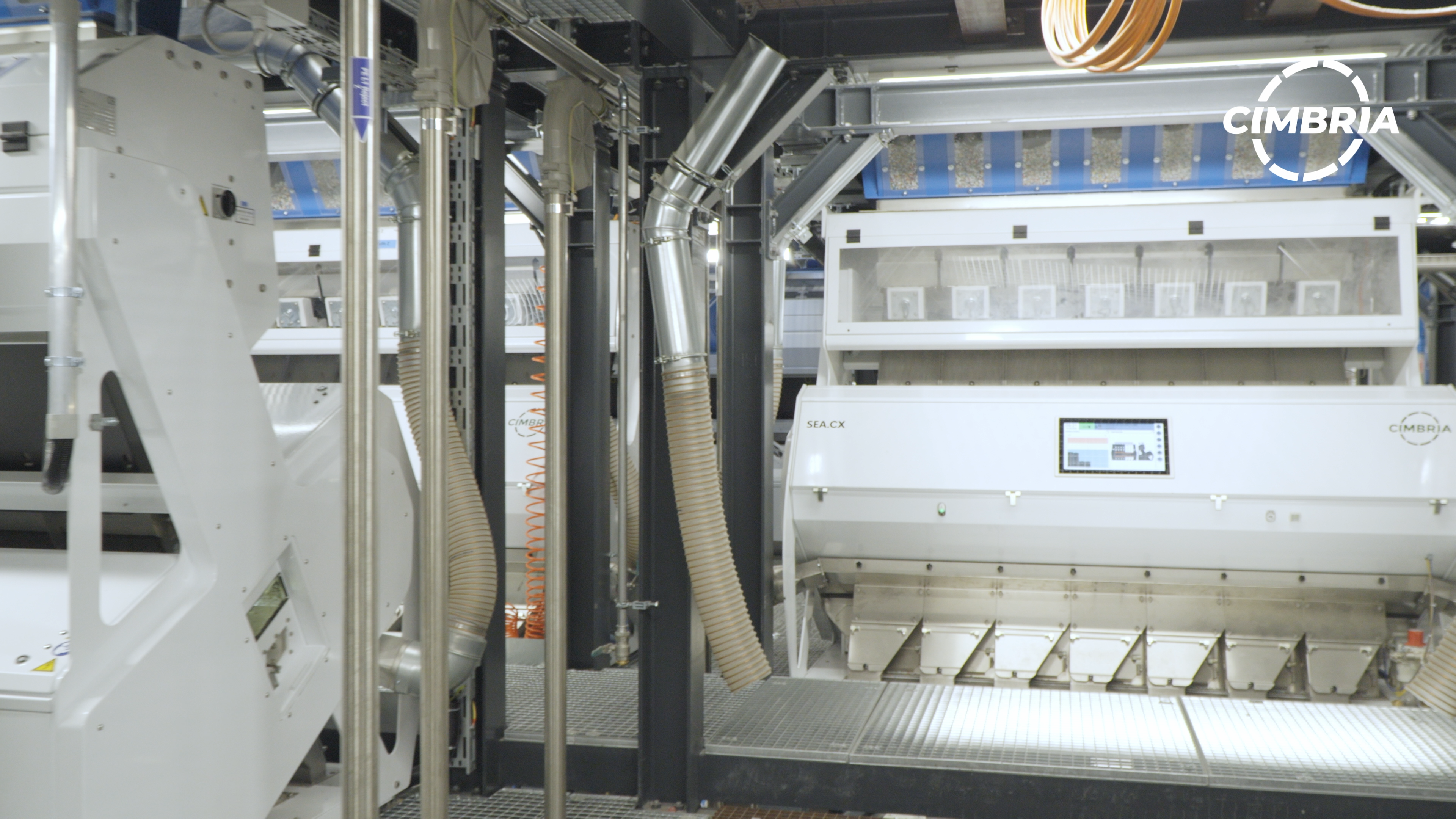
Inside Cimbria’s long-term collaboration with Agroways and the team that is helping them transform Uganda’s grain industry.
For more than fifteen years, Cimbria and Agroways have worked together to tackle one of Uganda’s biggest agricultural challenges: providing farmers with reliable markets and modern grain handling infrastructure.
Based in the Eastern Ugandan town of Jinja, Agroways is a family-owned agribusiness that started with a single modest site and a bold vision — to modernise the country’s grain-handling infrastructure and strengthen national food security.
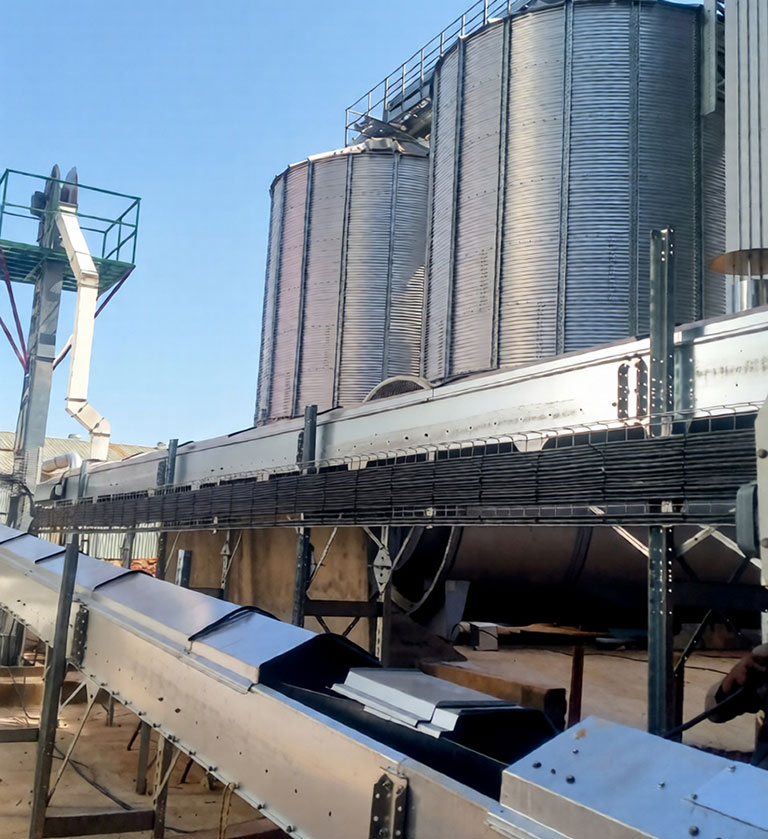
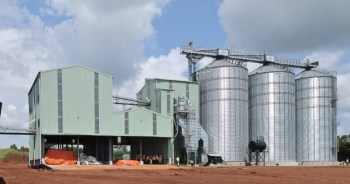
Today, the company operates three major facilities in Mbarara, Namulesa, and Jinja, each equipped with Cimbria’s advanced grain intake, drying, storage, and bulk handling solutions.
Here’s the story of how their partnership is transforming Uganda’s grain industry.
Building on Trust and Shared Ambition
Back in 2011, Cimbria’s partnership with Agroways was built on mutual investment rather than transactions.
“We didn’t just want to sell machines”, explains Simiyu Wamalwa, Head of Sales at Cimbria East Africa. “We wanted to build a relationship based on sharing experiences and collaborating for mutual benefit.”
Each Agroways expansion followed the same rhythm: clear goals, close collaboration and long-term service. Agroways relied on Cimbria not just for equipment, but for planning, installation and operational support. In turn, Cimbria relied on Agroways’ openness and feedback to strengthen its local presence.
Today, both companies see the success as shared. “When Agroways grows, we grow,” says Trevor Rerimoi, Site Leader and Managing Director at Cimbria East Africa.
Engineering the Growth Story
Every stage of Agroways’ expansion tells a story of engineering solutions aligned with business growth.
When Agroways first partnered with Cimbria, their ambition was clear but their infrastructure was basic — limited storage, minimal automation, and a heavy reliance on manual handling.
Over the next decade, the collaboration evolved from a single processing line to three interconnected, high-capacity facilities:
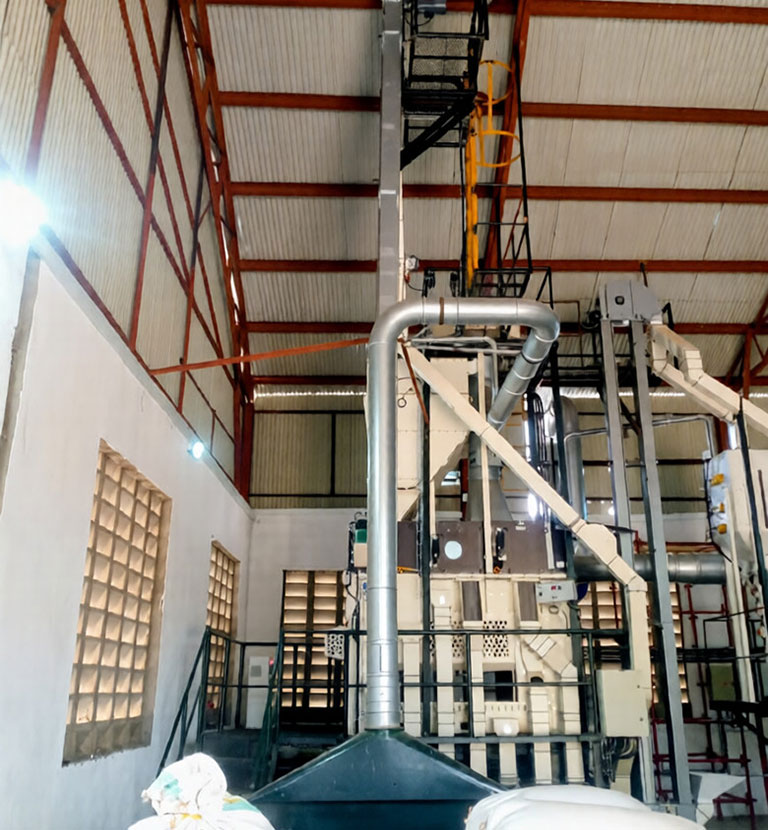
- Mbarara: Agroways’ flagship site. Cimbria installed a fully integrated intake and cleaning line, complete with aspiration, magnetic separation and a 25 TPH continuous-flow dryer. The plant’s wet bins and 5,000-tonne silos ensure controlled storage conditions, while belt conveyors and bucket elevators maintain a steady, contamination-free product flow.
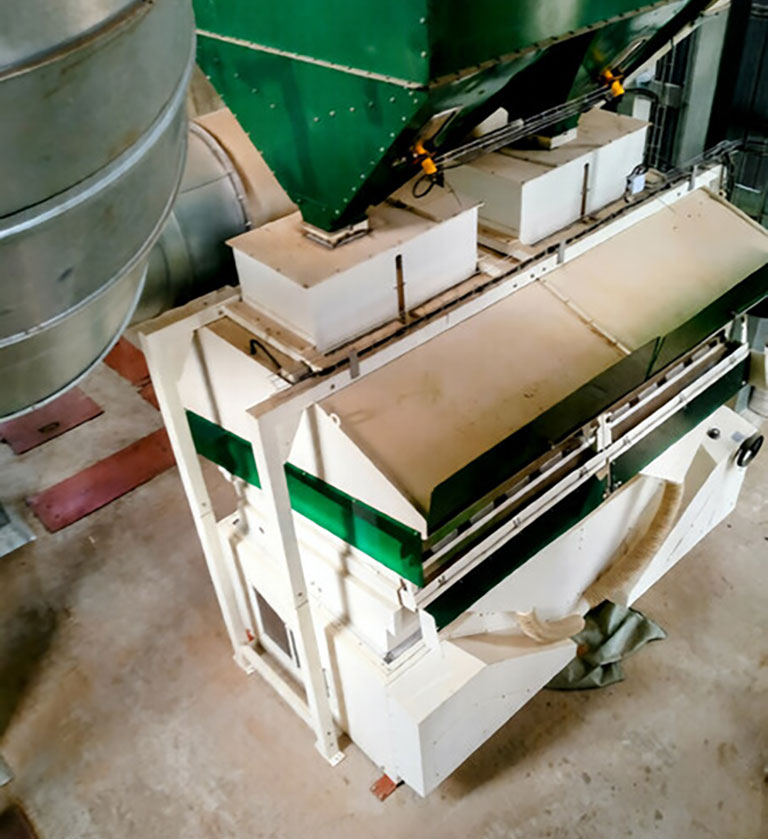
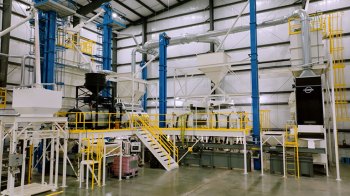
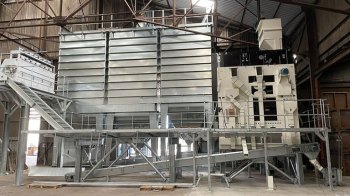
- Namulessa: The team built on that success with the Cimbria Delta Combi Cleaner, capable of handling up to 100 tons of maize per hour. Supported by dual-hopper bins, a full aspiration system and modern conveying lines, the site now operates as a key cleaning and aggregation hub serving the brewery and feed industries.
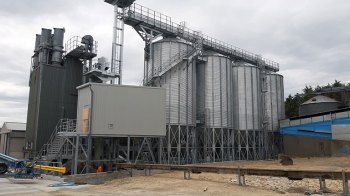
- Jinja (Amber Court): A different challenge. Cimbria transformed existing infrastructure into a modern, high-capacity plant, combining elongated silos, new 5,000-ton storage units, and an advanced aeration and fumigation system complete with real-time monitoring and grain-quality sensors. Its location beside the highway makes it both a logistical gateway and a symbol of modern grain handling in Uganda.
Each upgrade translated into measurable outcomes: faster throughput, fewer bottlenecks, and better product consistency,
As Simiyu puts it, “These plants are built for resilience. They run at full capacity, and they keep proving their worth.”
Creating a Market Where Farmers Win Too
The Cimbria–Agroways partnership has created impact far beyond the facilities themselves. Before Agroways expanded, many Ugandan farmers lacked a guaranteed market for their grain, coffee, and other key crops.
“That’s what changed,” says Simiyu. “Now, when a farmer plants maize or barley, they know there’s a buyer. That confidence has lifted entire communities.”
Agroways’ consistent purchasing has encouraged farmers in highland regions like Kabale and Mount Elgon to cultivate barley, a crop once almost entirely imported from neighboring Kenya. This shift, supported by the Ugandan government, has strengthened national food security better than ever before.
“This is what partnership looks like when it works,” Trevor reflects. “Capacity is essential, of course, but we’re also strengthening the entire supply chain and agricultural ecosystem. It’s truly remarkable.”
Reliability That Earns Recognition
Uganda’s grain market is one where quality and operational reliability can still vary widely. In this environment, Cimbria’s reputation for durable, dependable equipment has become an invaluable asset.
The Uganda Development Bank now recognises Cimbria-equipped facilities as reliable investments, which acts as a mark of credibility that helps businesses secure the financing needed to expand operations, upgrade infrastructure, and invest in modern processing technologies.
This recognition is particularly important in a market where lenders and investors are often cautious due to inconsistent quality and operational risks.
“When you walk into an Agroways plant, you can feel the difference,” Trevor notes. “The systems run smoothly, downtime is minimal, and there’s a sense of order. That gives confidence not just to us, but to the people funding the industry.”
For Agroways, that reliability has translated into growth and trust, helping the company become one of Uganda’s most renowned grain handlers and operate close to full capacity across all three sites.
Partnership Beyond Business
Cimbria and Agroways have built a partnership grounded in trust, mutual respect and a shared vision for the country’s agricultural progress.
Agroways’ owner, known for his practical approach and loyalty, still wears his Cimbria shirts from the early days.
“He’s proud of the partnership,” Simiyu laughs. “He even acts as our ambassador when new clients visit. He’ll show them around and tell them, ‘This is what Cimbria can do.’”
That pride reflects years of working side by side, from planning new facilities and solving on-the-ground challenges to celebrating milestones together.
Cimbria engineers and Agroways teams collaborate closely at every stage, sharing insights, troubleshooting, and learning from one another. The result is a relationship built not only on performance, but on genuine understanding and shared purpose.
“It’s more than just business,” Trevor adds. “Decisions are made together. Feedback is shared openly. You can feel respect and understanding. That’s why the systems run smoothly, and the partnership has lasted for so long. It’s truly amazing.”
Looking Ahead: Deepening, Not Just Expanding
Agroways continues to grow, but its focus remains on depth rather than size. Plans are underway for new silos and upgraded drying systems at Mbarara, as well as farm-level storage projects in northern Uganda.
“It’s still very much a family business,” says Trevor. “They want to keep control, keep it efficient, and keep it Ugandan. That’s why the relationship works — we understand that vision.”