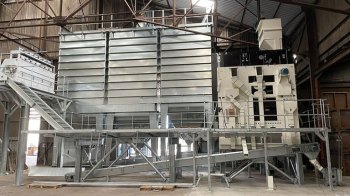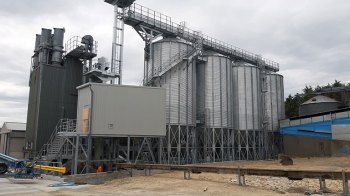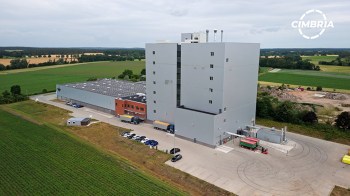
Cimbria recently partnered with Barter Port to modernise and expand its grain handling infrastructure through a carefully structured, multi-phase development journey.
What began as a pilot installation project has evolved into a comprehensive terminal upgrade, integrating advanced dust filtration, ATEX-compliant safety systems, and centralised automation. The result is a facility that combines increased capacity with cleaner air, greater worker protection, and enhanced operational performance.
Building on a Pilot Project’s Success
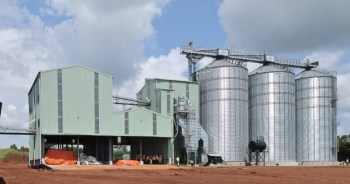
Barter Port plays a critical role in connecting farmers, processors, and global buyers, handling grain, seed, meal, and other agricultural commodities for international markets.
With high intake volumes, extensive storage capacity, and large-scale shipping operations, the terminal depends on consistent reliability and strict risk control to maintain competitiveness, and must ensure rigorous safety, quality, and environmental standards are met.

The collaboration began with a pilot project designed to test and optimise advanced material handling, filtration, and automation systems in a live operational environment. The success of this initial phase provided the foundation for a significantly larger expansion, launched in early 2025 and now nearing completion.
“The partnership between Cimbria and Barter Port has been clear and professional throughout. By following their specifications closely, we delivered a facility that’s safe, reliable and fully aligned with operational needs,” says Mateusz Olejniczak, Cimbria’s Regional Sales Manager for Europe.
From the start, the project was designed so that increased capacity would not come at the expense of safety or environmental performance. These elements were integrated into the terminal’s infrastructure as part of the overall system design.
Engineering Cleaner Air and Safer Operations
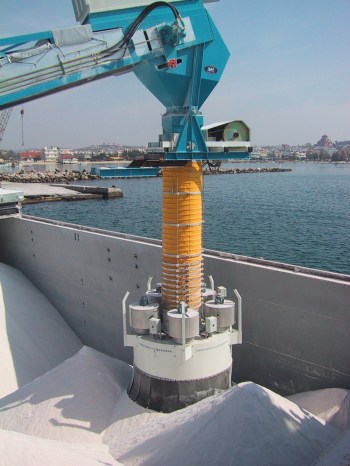
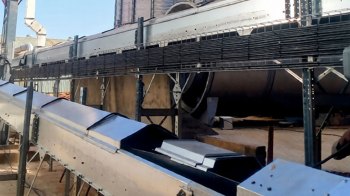
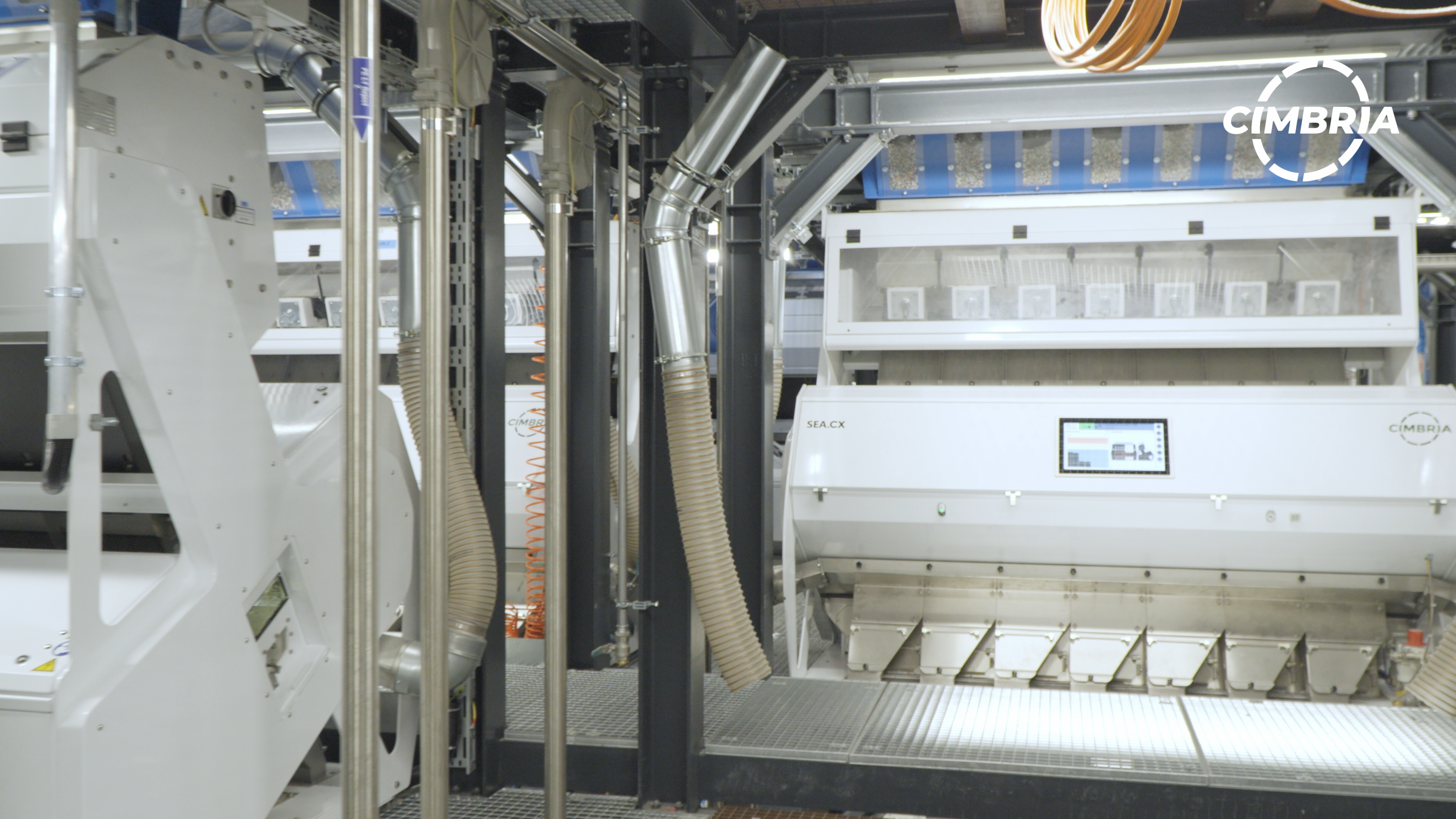
Dust management was a central focus of the upgrade. Cimbria implemented advanced filtration systems, including spot filters and intake aspirators, engineered to capture dust directly at intake points, transfer stations, and processing equipment. By extracting dust and airborne particles at the source, the system significantly reduces them throughout the terminal.
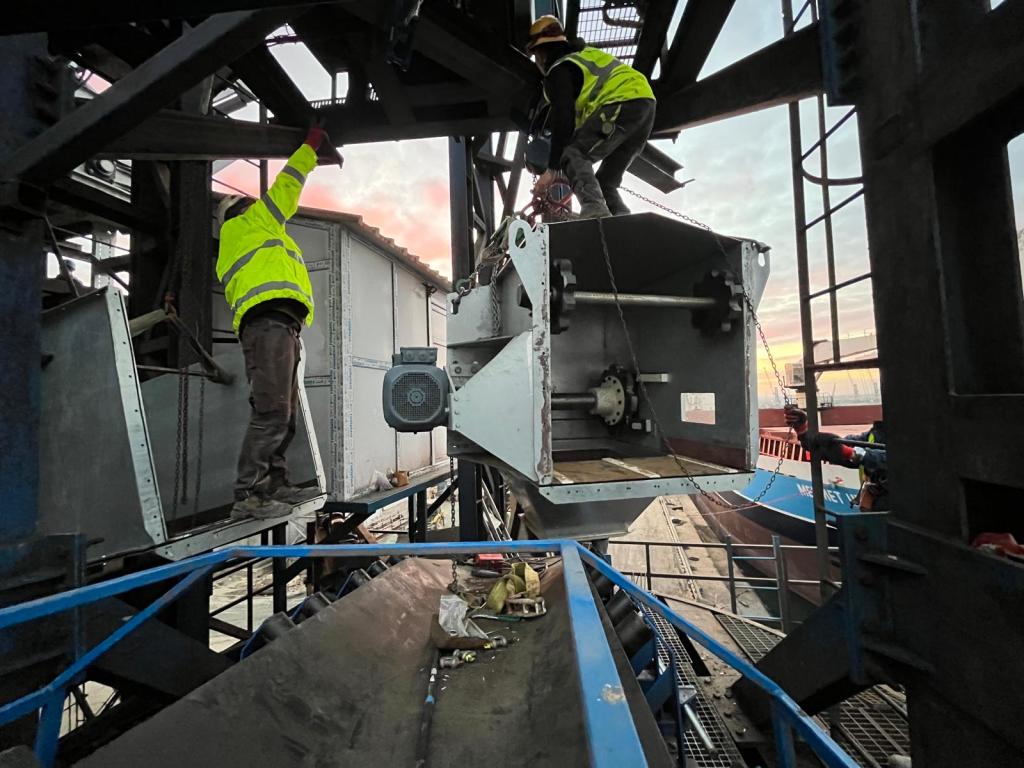
As Mateusz Olejniczak, Regional Sales Manager Europe at Cimbria, explains:
“The filtration system is engineered to capture dust right at the source. By integrating extraction directly into the material handling system, we significantly reduce airborne particles throughout the terminal.”
The installation is also designed in accordance with ATEX 21 and ATEX 22 requirements, addressing explosion risks associated with hazardous grain-dust environments. This approach ensures that safety is not an add-on feature but part of daily operations.
Cleaner air not only improves working conditions but also protects the equipment itself. Reduced dust accumulation lowers mechanical wear, decreases the likelihood of unexpected breakdowns, and supports longer service intervals. At the same time, stable and controlled handling conditions help preserve product quality as materials move through the facility.
Automation That Strengthens Control and Reliability
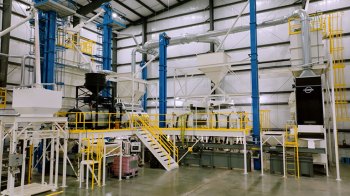
Automation plays an equally important role in ensuring safe and reliable operations. Cimbria’s integrated control systems continuously monitor core processing variables such as bearing temperatures, material flow, and equipment status. This provides operators with full visibility across the processing line and allows them to maintain system stability under varying operating conditions.
By reducing the need for manual intervention in high-risk areas, automation enhances worker safety while also minimising the potential for human error. Material intake, transfer, and discharge processes are coordinated through centralised control systems, ensuring consistent handling conditions and predictable performance.
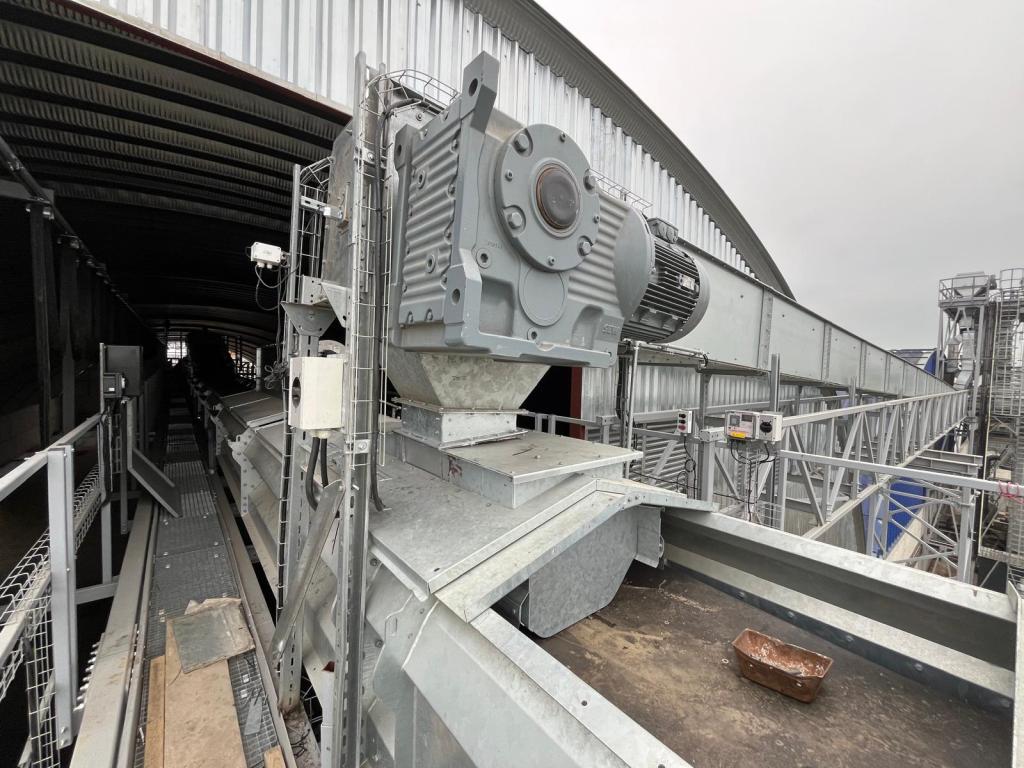
“Monitoring of core processing variables such as bearings temperature, material flow and equipment status allows the terminal’s operators to maintain system stability and operational control across the entire processing line,” adds Mateusz Olejniczak.
The combination of filtration, automation, and safety-focused design creates a technically integrated structure in which process control and risk management operate as a unified system. This enables Barter Port to expand capacity while maintaining high standards of operational reliability.
A Structured Path to Growth
The phased development of Barter Port demonstrates how terminals can grow through structured, system-led expansion rather than fragmented upgrades. By planning each stage carefully, Cimbria and Barter Port have been able to scale safety architecture, automation, and filtration in parallel with increased throughput.
The result is a facility that operates with cleaner air, more predictable processes, and reduced downtime. Safety, environmental responsibility, and operational efficiency have been engineered to grow together.
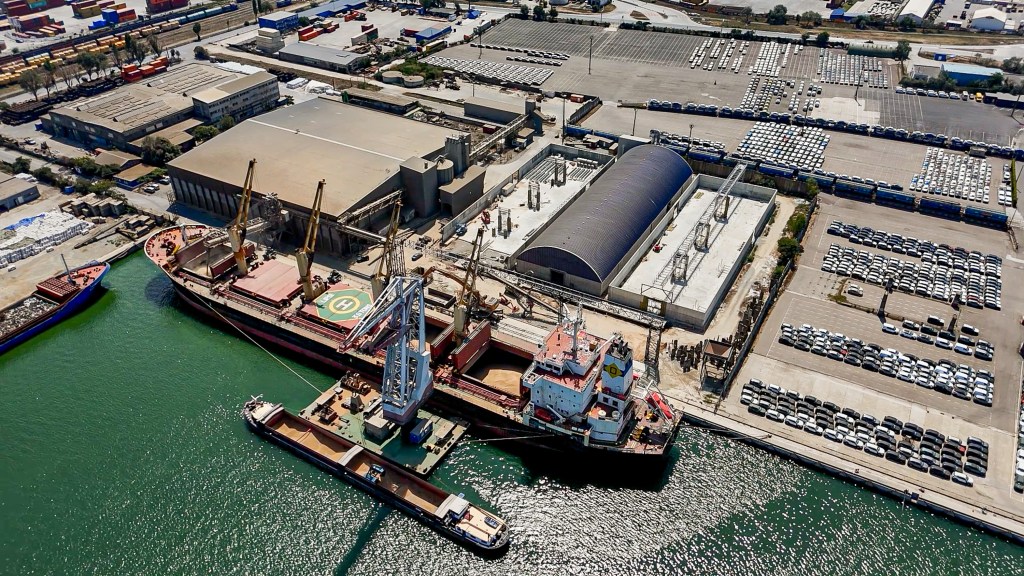
What began as a pilot project has developed into a long-term partnership that sets a benchmark for modern agri-food infrastructure. The project shows that expansion does not have to mean compromise. With the right engineering approach, worker protection, environmental performance, and productivity can work together at the same time.
As Olejniczak concludes: “We’re building terminals that work for people and for the business. That means engineering systems that are safe, scalable, and reliable over time — because that’s what the future of agri-food logistics demands.”